The best Matter devices to expand your smart home network
 Carlos Sahuquillo
·
16 mayo, 2024
·
18 min de lectura
Carlos Sahuquillo
·
16 mayo, 2024
·
18 min de lectura

Idioma:CastellanoEnglish
A few days ago I had a problem with my Home Assistant setup. Long story short, what happened is that the hard drive’s file system got corrupted, most likely due to a Home Assistant update that didn’t complete properly, but the fact is I had the whole system down for quite a while.
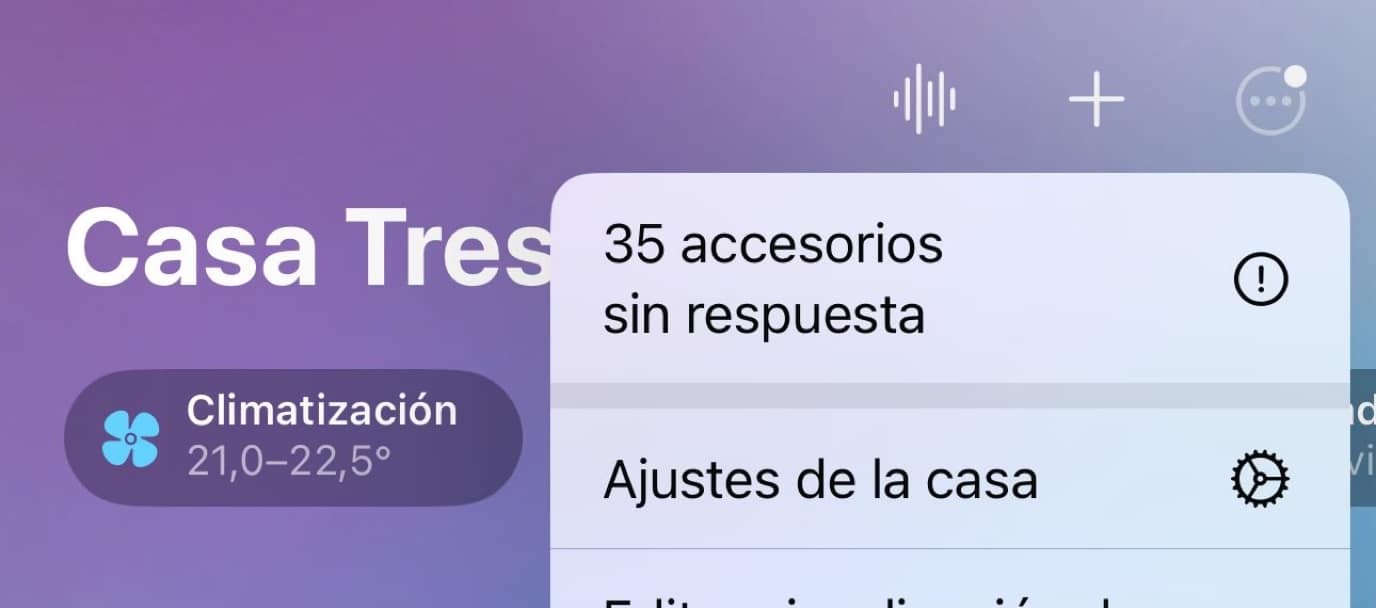
I already talked about it on the podcast and in the corresponding blog post, but in the end it took me about 1 hour to fix it… and during that hour, the 35 devices that depend on Home Assistant were inaccessible. However, from the Home app on HomeKit, I could still see the rest of the native HomeKit devices and, of course, the Matter devices since they’re able to connect to both platforms simultaneously, both HomeKit and Home Assistant.
What would have happened if the setup had broken completely?
Imagine if the NUC where I have Home Assistant installed had completely died. I don’t know… say the processor or the RAM fries, or any kind of physical failure you can’t fix in 1 hour. I could have bought the original bridges for the zigbee devices I own, basically Aqara and Philips Hue, and paired the devices again with their respective bridges, which are indeed compatible with HomeKit.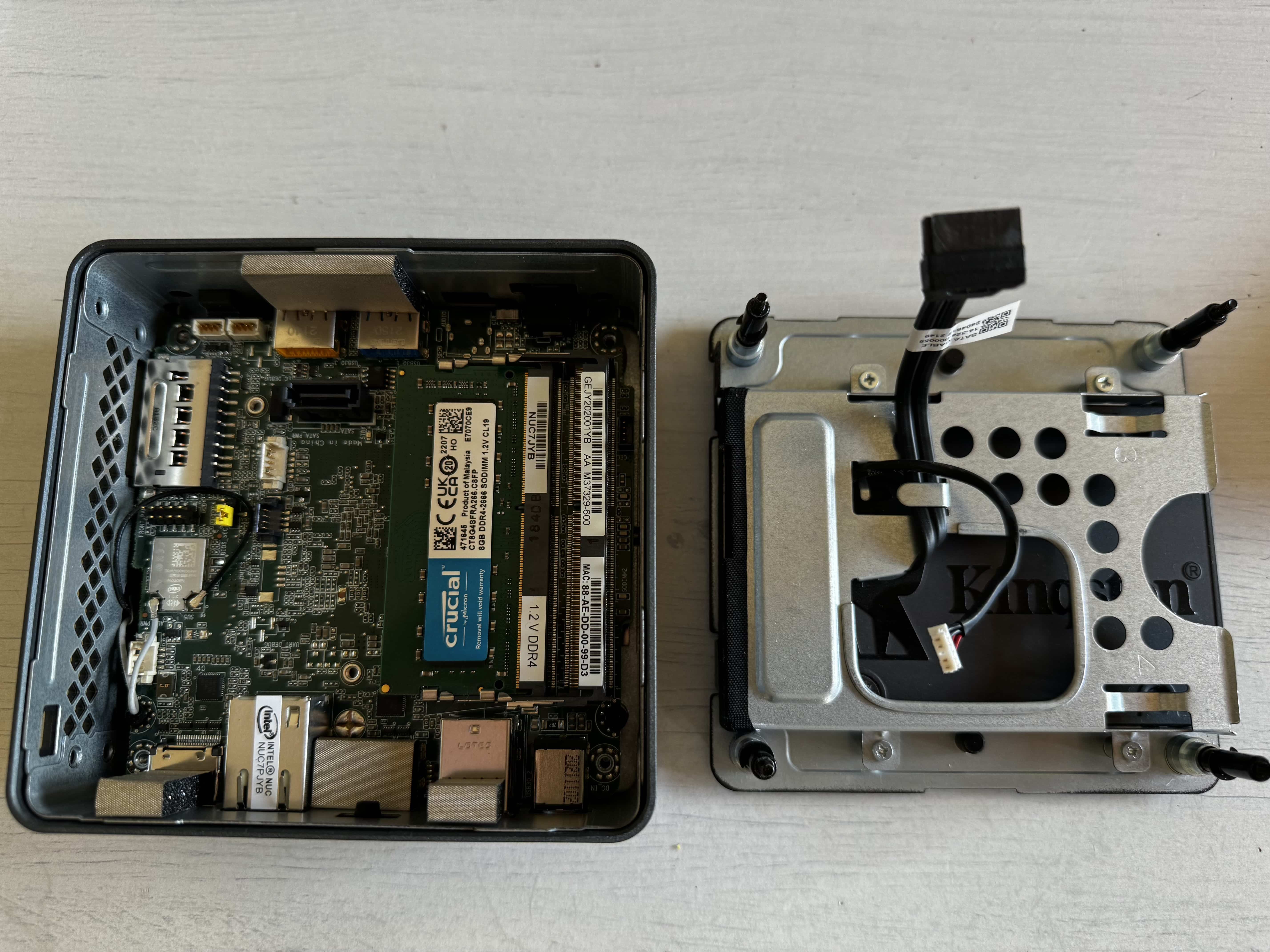
Why don’t Matter-compatible zigbee devices exist?
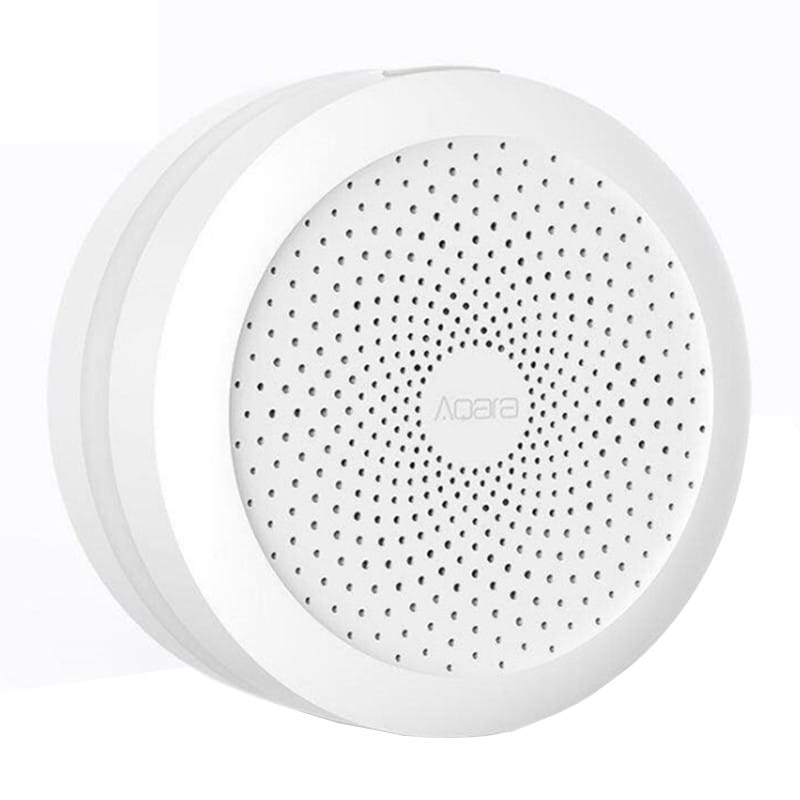
Basically it’s because zigbee devices need a specific antenna, which is why manufacturers like Aqara or Philips Hue need to use either their own bridge or a compatible 3.0 bridge, which is the function Home Assistant performs. However, modern devices like Apple’s HomePods, the Apple TV 4K, the latest Amazon Echoes, and even the Google Nest Hub already have a Thread antenna, so we don’t need any other bridge to link those devices.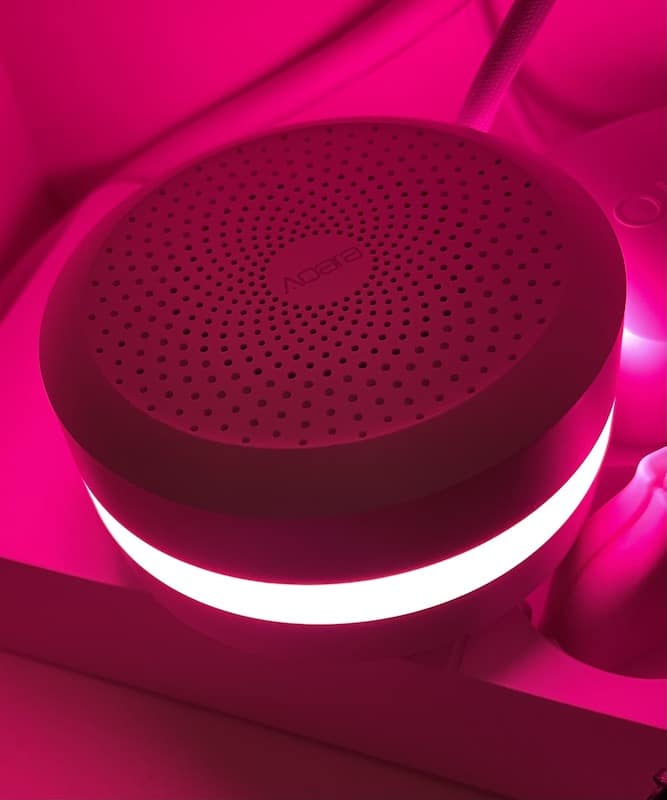
And what about Matter-compatible bridges?
It’s a way for us to have a bunch of old devices with zigbee connectivity (which are cheaper than Thread and Wi-Fi ones, let’s be honest) that can connect to several platforms simultaneously, regardless of whether it’s HomeKit, Home Assistant, Google, etc. If you have a bunch of zigbee devices that work perfectly fine… you’re not going to go and replace them all (I am going to do it, but only because I’m an idiot), so the easiest thing is to swap the bridge for one that’s Matter-compatible, and that way the bridge can link to any platform and publish all the devices connected to it there.
And you’ll say: but Shellys aren’t Matter
This topic really gets me fired up. The folks at Allterco, who make Shelly, said back in late 2023 that we’d have Matter support… but no, we’re still waiting… buuuut, if we flash the Shellys with the HAA firmware, we get extra-pairing, a feature unique to this firmware that lets you link the Shelly to several devices simultaneously, so we can have it linked to both HomeKit and Home Assistant with no problem at all. That said, remember that Shellys don’t have Thread connectivity and connect via Wi-Fi. We’ll go into more detail about that later. Well then, it seems pretty clear, doesn’t it? To avoid this happening to us again, when a bridge like Aqara’s, Hue’s, or the universal bridge that both Home Assistant and Home Bridge provide fails, the most ‘reliable’ approach is to use Matter devices, so we can have them in Home Assistant and in the Home app simultaneously but with independent connections, so that neither platform depends on the other. With that in mind, I’m going to recommend some Matter devices to expand our smart home network. Let it be said upfront that there are plenty of brands jumping on the Matter bandwagon, some cheaper and some pricier than the ones I list here… but these are the ones I have experience with. I tend to avoid super cheap brands (the typical Matter-compatible Chinese bulbs from super obscure brands) as well as manufacturers that cost an arm and a leg, like Legrand, which has a whole platform to make your home lights smart but is extremely expensive and strays from the ‘homey’ idea.Lights
During the Smart Home Consultations, I’ve noticed there are a lot of LED strip fans out there. That’s not really my case; at home we usually keep a soft, always-warm light, and I don’t even bother changing the bulb temperature throughout the day because I really don’t like white light except in the kitchen. Either way, there are interesting Matter-compatible products that let you expand as needed (you can connect LED strips to each other): The Nanoleaf Matter Essentials, which you can buy directly on Amazon for €64 for the 5-meter strip. I really like this brand; I’ve had some ‘essential’ bulbs for years and honestly they work really, really well, although mine, despite being Thread, were never updated to Matter. In any case, the LED strip connects via Thread and is Matter-compatible with no issues.
Smart switches
Right now there are no Matter-compatible smart switches. There are some Thread ones, like Eve’s, which I’m obsessed with despite its €100 per switch price tag, but it’s not Matter yet (they say it will be), so I’m not including it in the list. We also have Tapo’s (TP-Link), which ‘claim’ to be Matter-compatible… but that’s actually not true; they say that because they require TP-Link’s switch, which is Matter-compatible, so you can connect it to whatever platforms you want… but we still need the bridge, which isn’t great at all, so we’re not including it either.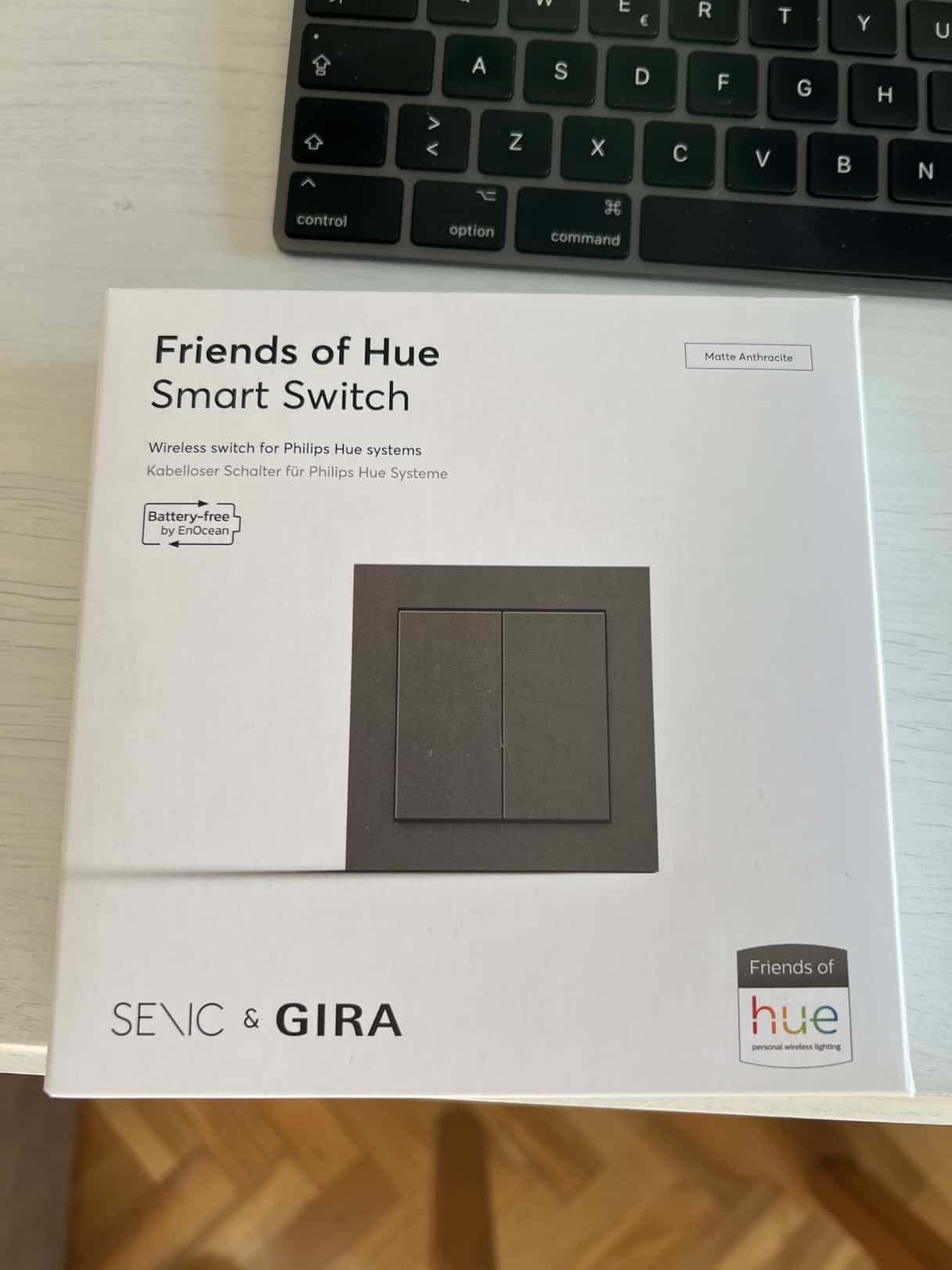
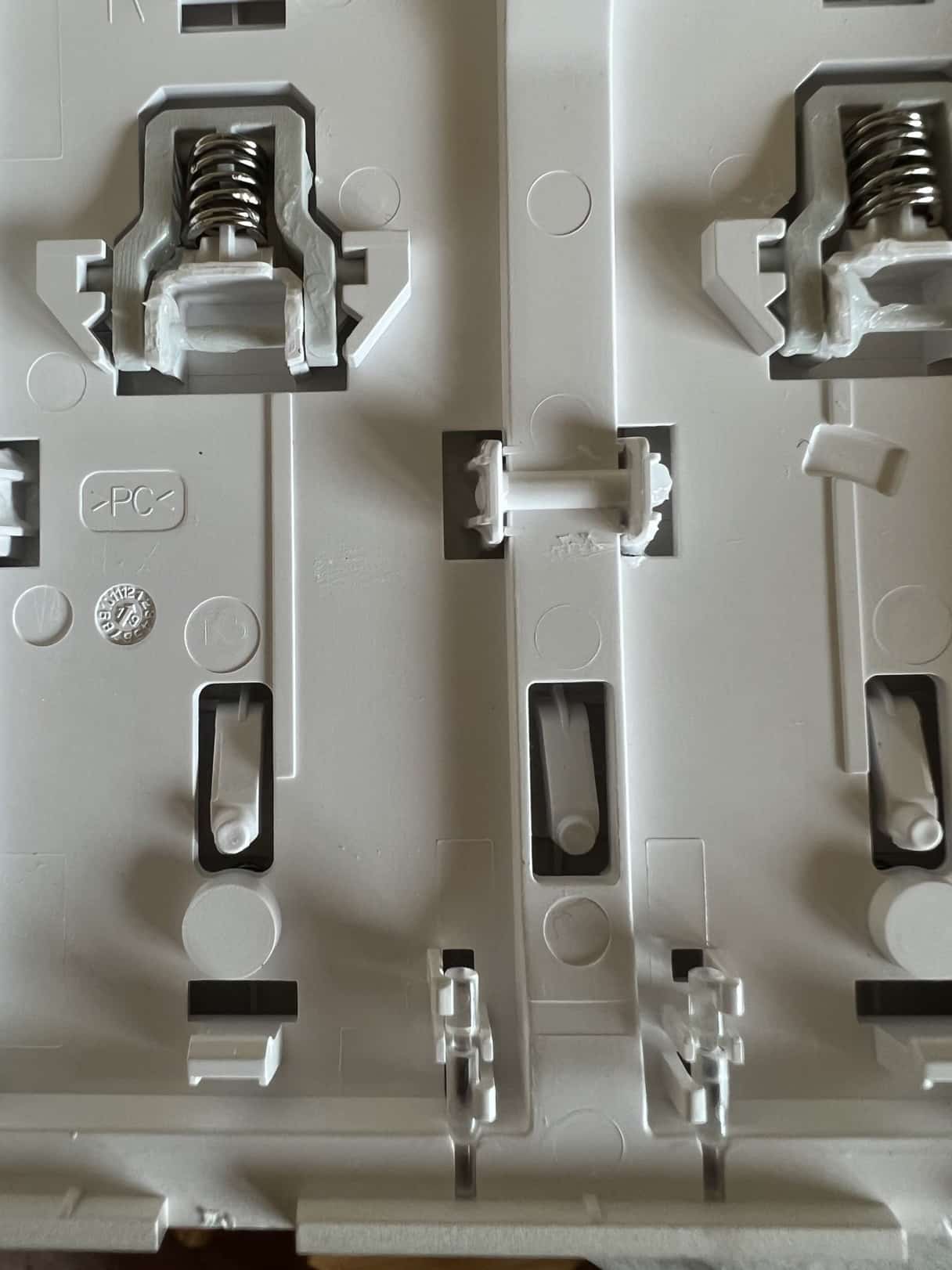
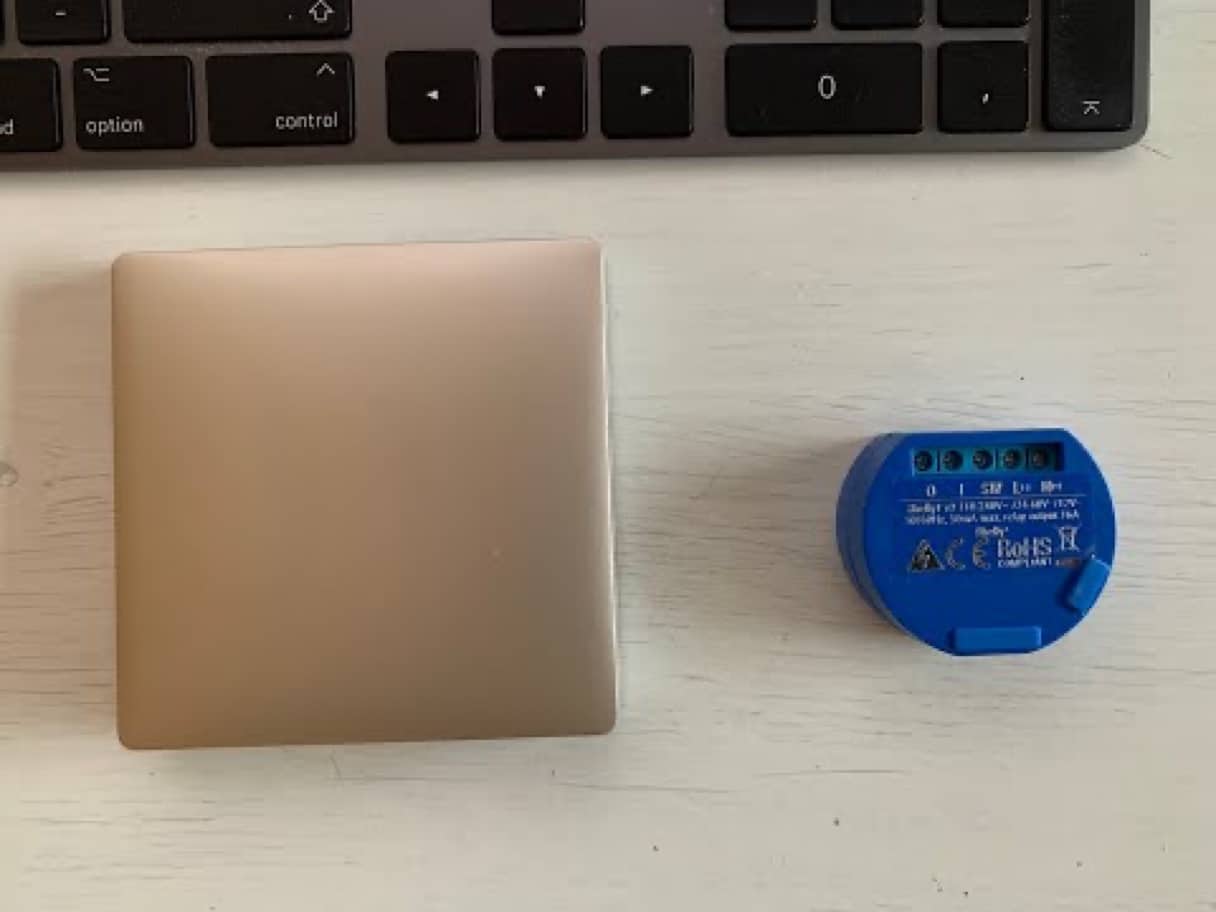
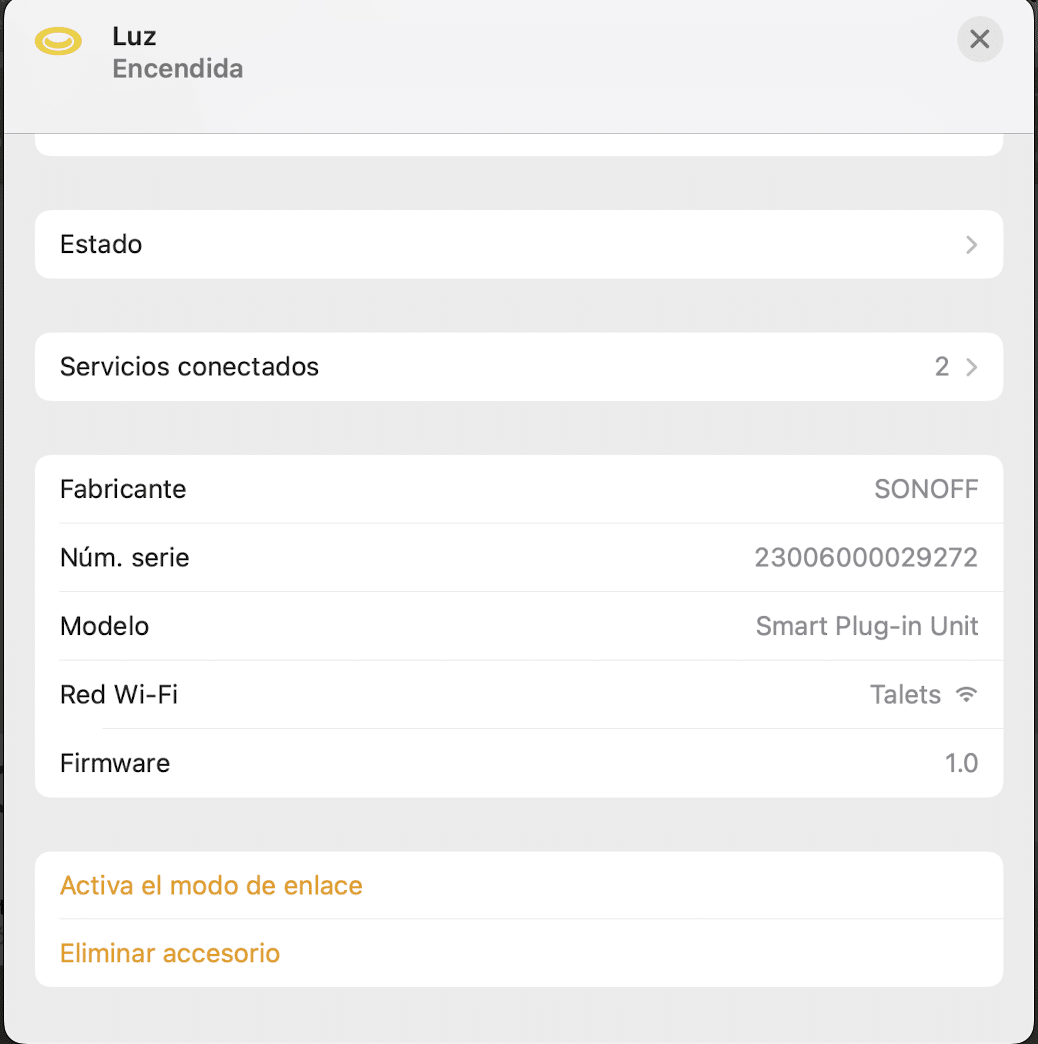

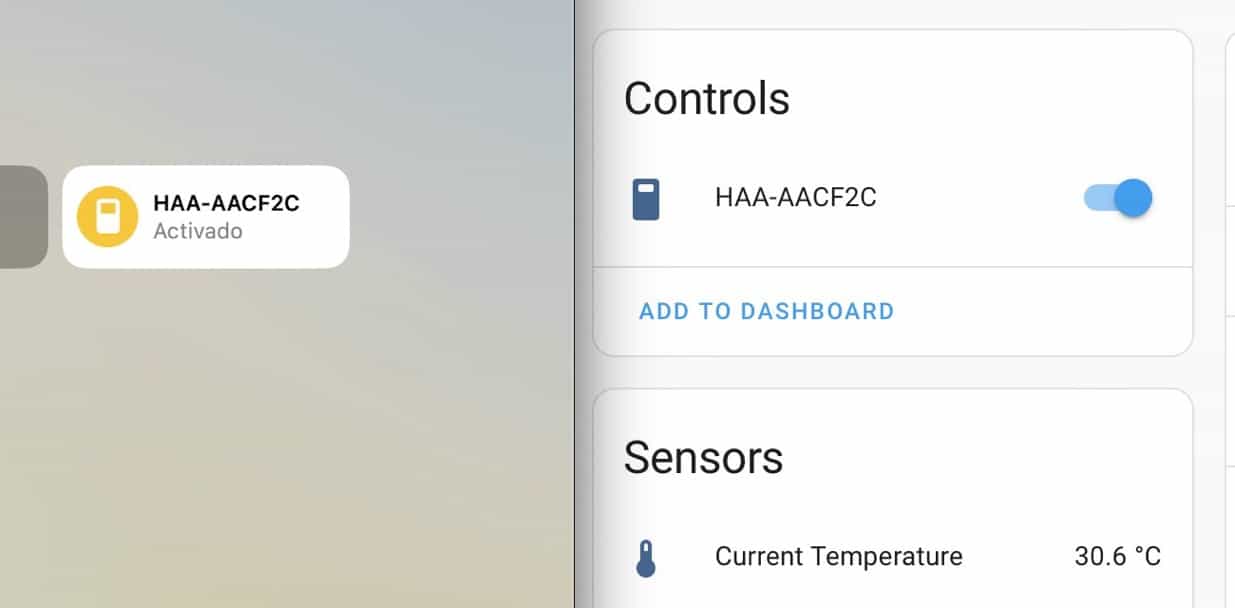
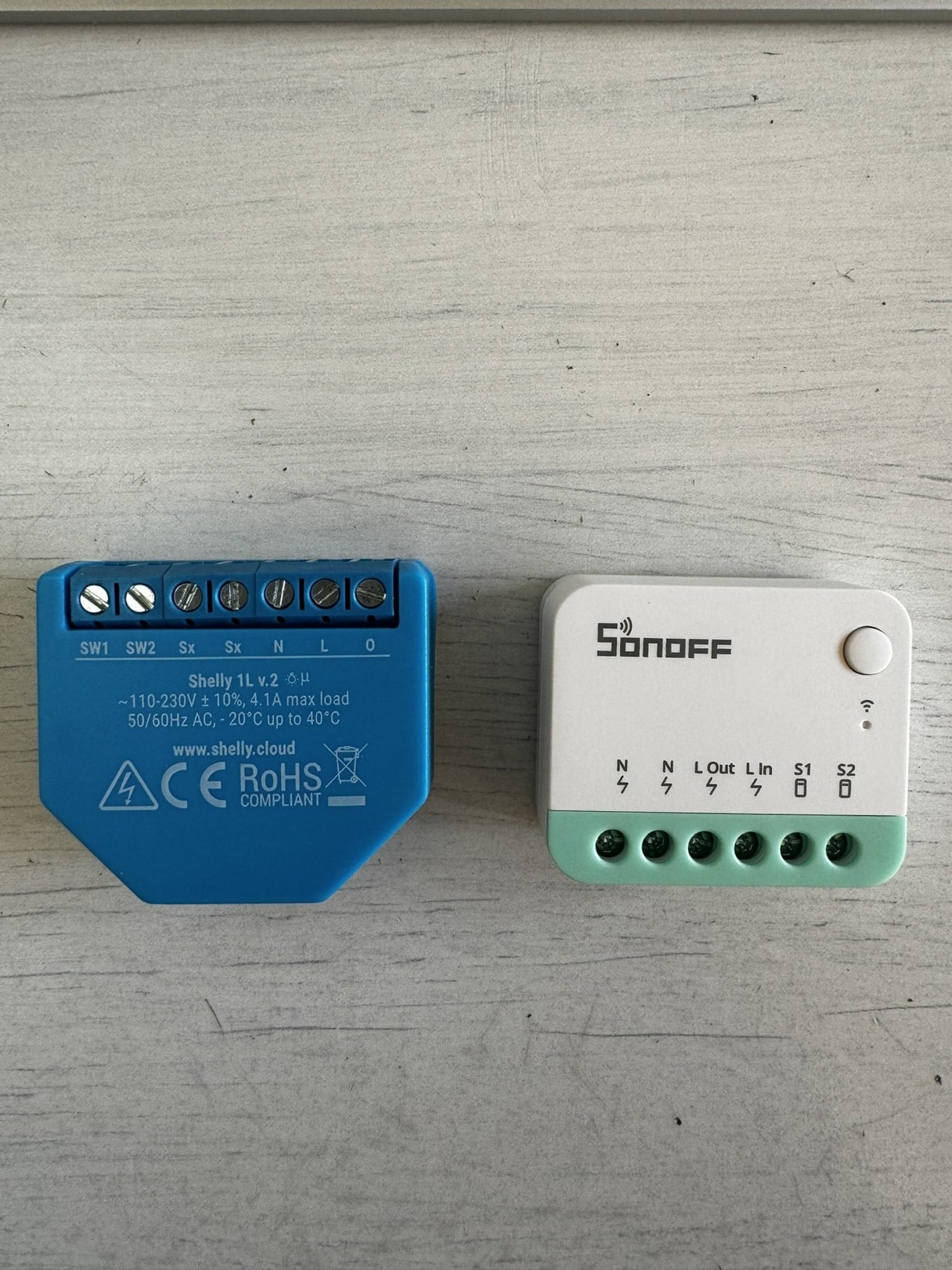
To buy Shellys, you can do so at https://shellyspain.com, and with the code SAHUQUILLO you’ll also get an extra 10% off.Others, like Philips Hue’s or Aqara’s, ‘claim’ to be Matter but they’re not, since they need the manufacturer’s original bridge or a universal bridge like Home Assistant.
Presence and motion detectors
Here we need to distinguish between a traditional motion sensor, like the ones in bar bathrooms where the light turns off as soon as you stand still, and presence sensors, which know whether you’re in the room even if you’re not moving. I think that for our everyday needs, like turning lights on and off, arming the alarm, locking the door, etc., a motion sensor is more than enough… but it’s true that during the smart home consultations, situations sometimes come up, like my dog being in the living room but asleep, so I don’t want the heater to turn off just because there’s technically someone home and I need the house to stay warm… and a motion sensor wouldn’t detect that. Also, presence sensors allow forPlugs
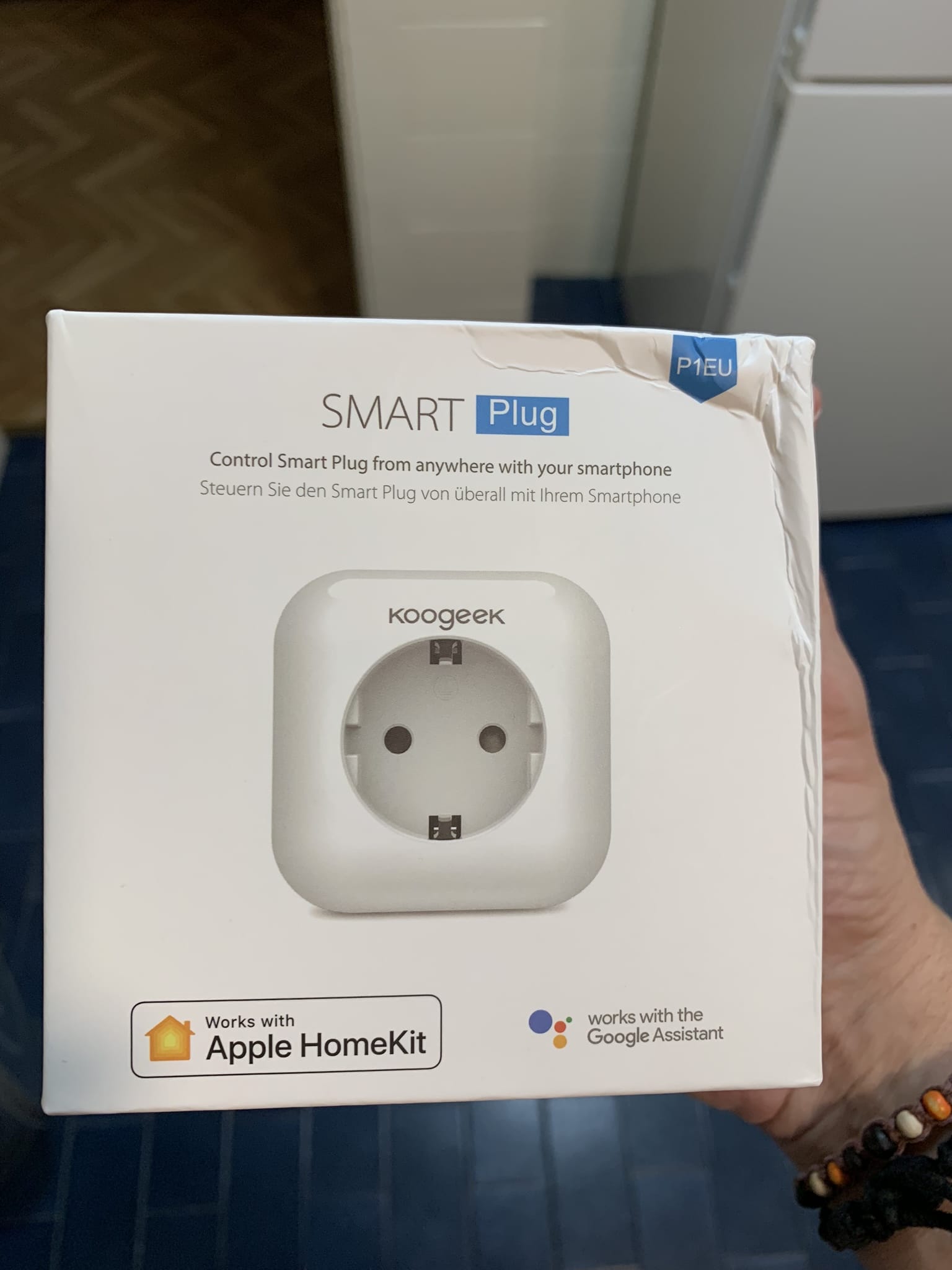
To control some small lamps or the bathroom heater, the kids’ console, and stuff like that, I have Eve plugs, which are also Thread and Matter. Even so, you can find Eve’s smart plug at Macníficos for €39, which I think is a great price 😀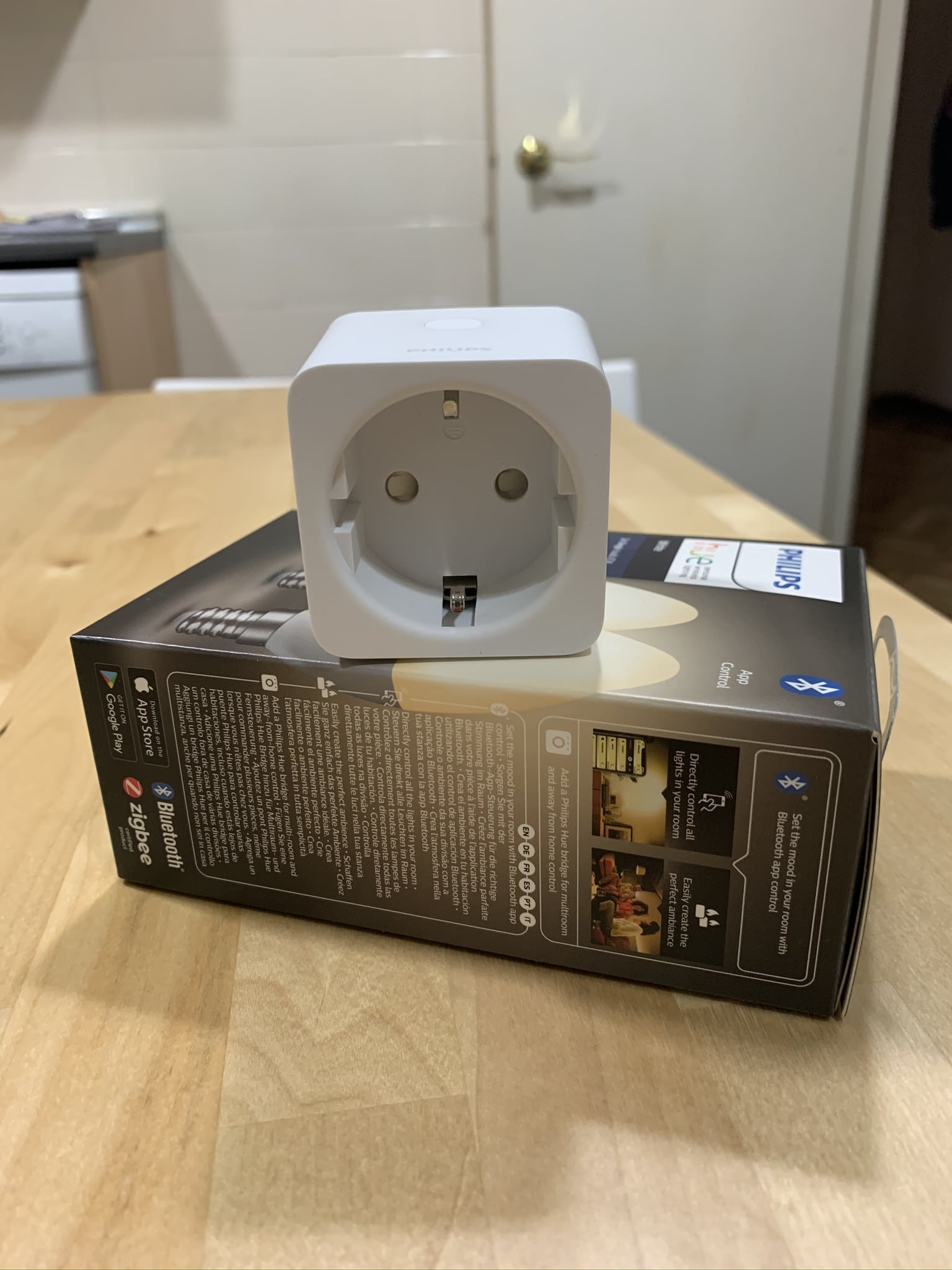
Door and window sensors
Since I’m an idiot, on my front door I have 2 open-door sensors: the Eve one, which works wonderfully and is Thread and Matter—you can also find it at Macníficos for €49—and it features Thread and Matter technology… and the new Aqara P2, which costs €32 on Amazon and is also Thread and Matter. As you can see, both work equally well, so go with the Aqara one and save yourself a few euros.Smart buttons
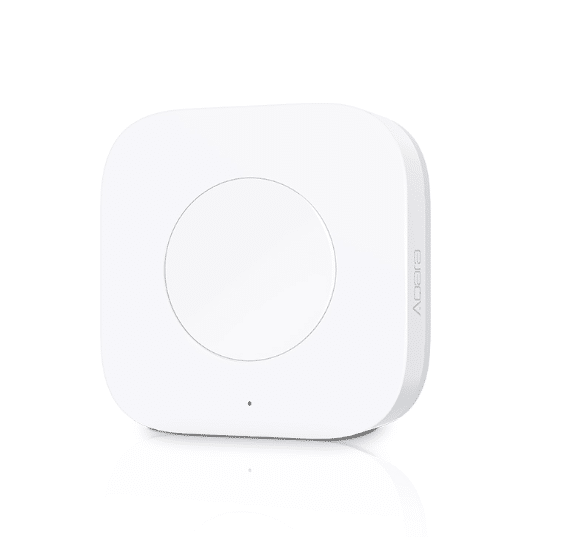
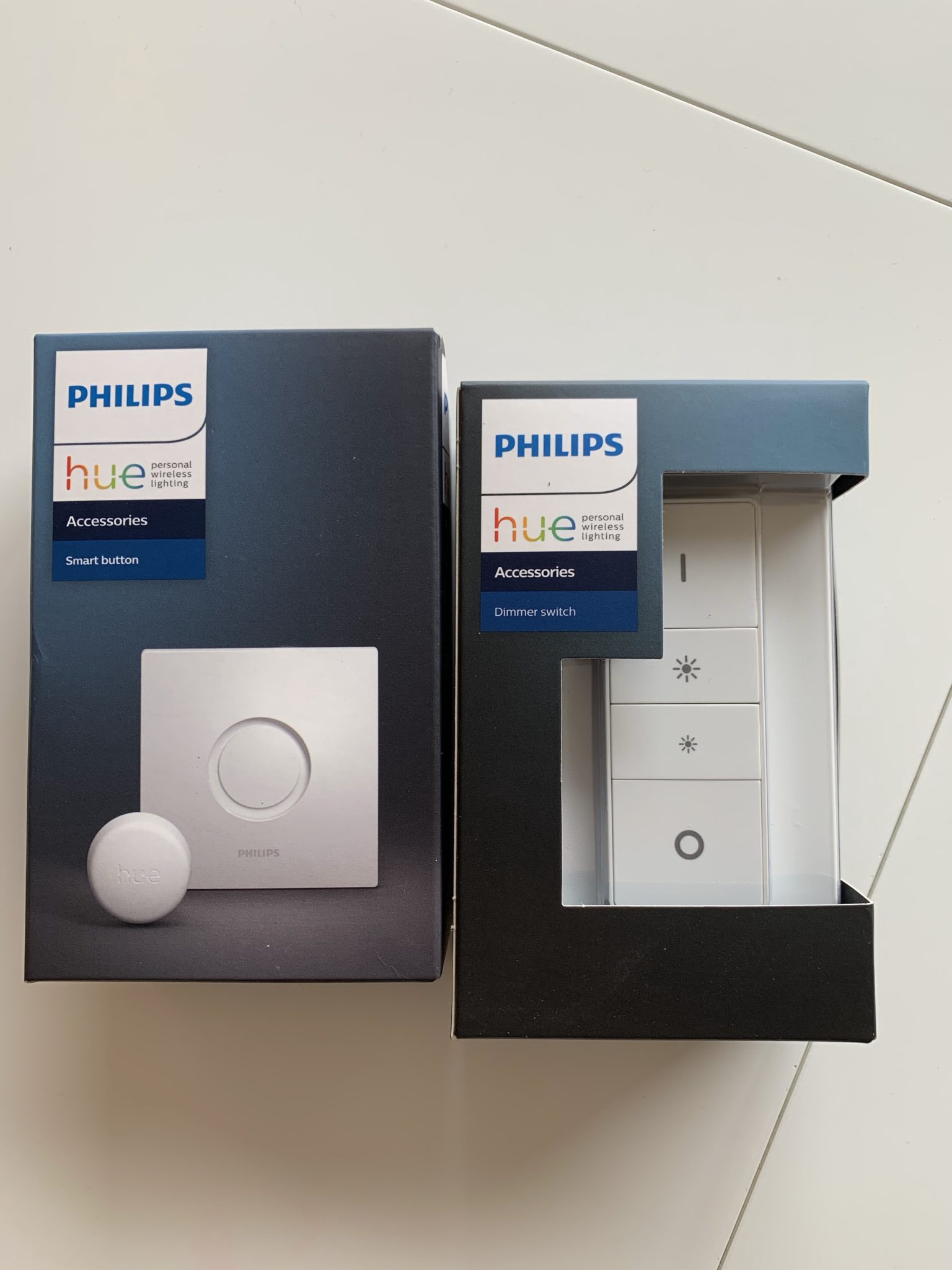
We have the Onvis, which you can find for €39 on Amazon with a 15% discount, and which is also Thread and Matter for automating some quick actions. In my case I use them for the small lamps, since I put a smart bulb in them, so I can turn them on and off from the button without cutting power, and set it up so, say, at night it turns on at 20% and during the day it turns on at 100%. Aqara, Shelly, Sonoff, and even Philips Hue also have their own buttons—some nicer looking than others—but they’re all zigbee for now, so we can’t include them in this list.
Smart locks
As you know, in the Telegram group we collaborate with a locksmith who adapts the Tedee smart lock and puts together a package with the cylinder and shield for you, so you can keep your home as secure as a castle with one of the best smart locks out there… but it’s not Matter, so this time we won’t be talking about the Tedee… in fact, the company isn’t even registered on the official Matter alliance page, so it doesn’t look like their locks are getting updated anytime soon. However, the 4th-generation Nuki Pro is now Thread and Matter compatible, which is awesome! You no longer need the Nuki Bridge to open your house remotely when someone arrives. You no longer need to link it through its own app. You no longer need the workarounds that used to be required to differentiate between opening the door and unlocking the door. Honestly, all of this has improved a ton! It’s true that the Tedee’s battery lasts a lot longer and it’s a bit quieter, but in terms of security there’s no difference at all, and the Nuki is Matter-compatible, so I’d go with this one. It’s on sale on Amazon for €229, which is a really great price.Smart vacuums
Surprised by this section, aren’t you? There’s actually a catch, because when version 1.2 of the Matter standard was released, the folks at Switchbot said they were launching the K10+ model, Matter-compatible. In reality the vacuum itself isn’t Matter-compatible… but Switchbot’s small Bridge or Hub is, so if you have the bridge, then the vacuum becomes Matter-compatible. Sure, and if my grandma had balls she’d be my grandpa. In the end you’re depending on a bridge, which is exactly what we’re trying to avoid, so it’s left out of the recommendations. And then there’s Roborock, with their top-tier model, the S8 MaxV Ultra (they went a little overboard with the name; I would’ve called it «16-valve turbo super saiyan Blue»), which you can find for 1500 little euros on Amazon… and which will at some point be Matter-compatible without needing a bridge, according to the product page, but at the moment it still isn’t. It seems compatibility will arrive via a firmware update… but as I said, at the moment it’s still not there, so it doesn’t quite deserve a spot on this list either… but hey, if you need to buy a top-tier vacuum right now and can’t decide which one to get, it might be a good idea to buy this Roborock model knowing it’ll be compatible soon.Security cameras
We’ll reserve this section, but at the moment there’s no Matter-compatible camera 🙁Smoke detectors
None here either; we’ll reserve the section and keep expanding it.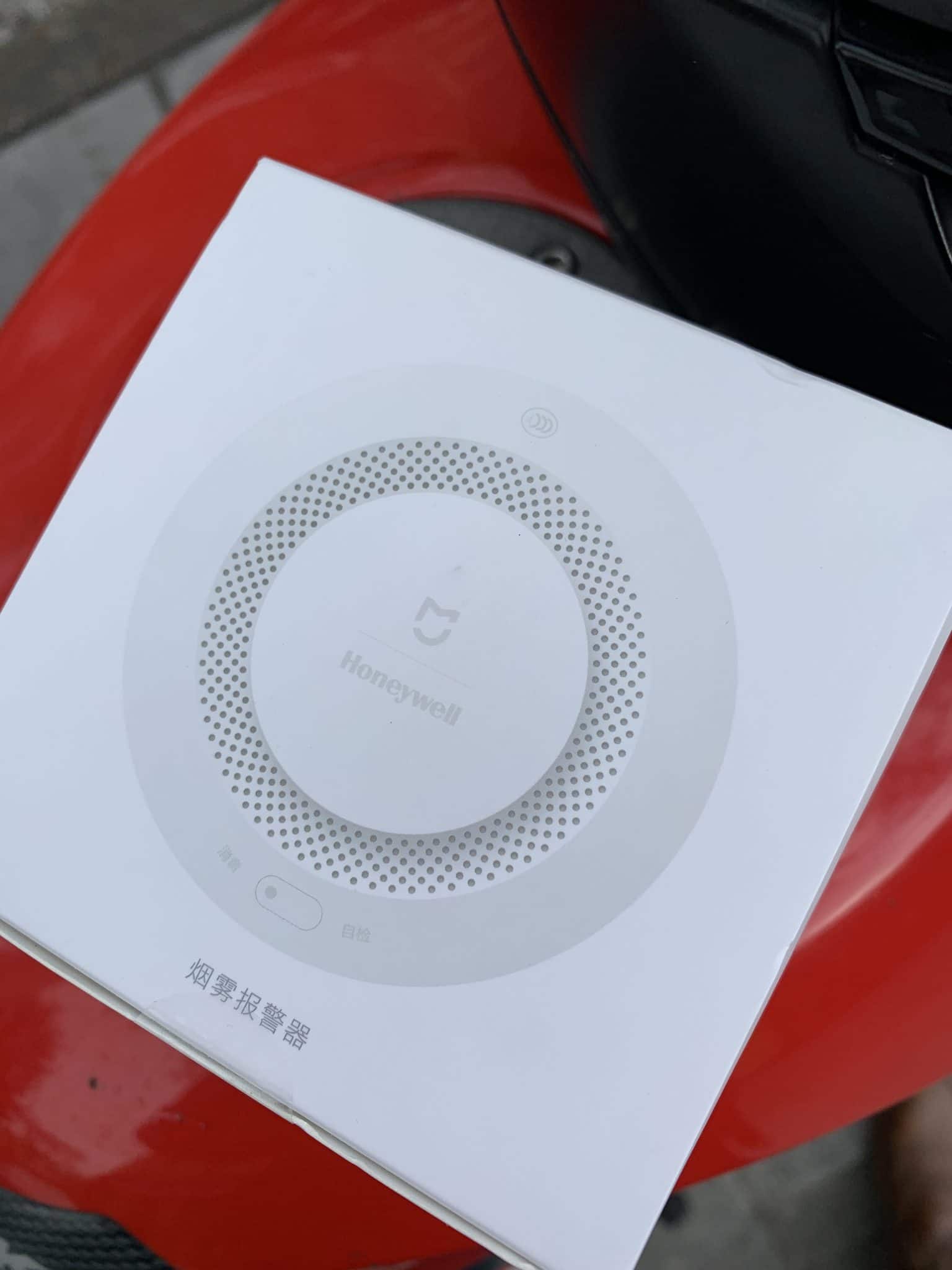
Water leak sensors
There are zigbee ones, but no Matter ones yet.
¿Necesitas ayuda con tu domótica?
Te ahorro tiempo, dinero y disgustos. Sesiones de consultoría desde 60€.
Carlos Sahuquillo
'Haga lo que haga en la vida, siempre compito' - Jacques Villeneuve Reserva una sesión →
Sigue leyendo
Ver todo el blog
Entradas relacionadas
1 octubre, 2026 · Domótica
Leer
How to spot issues in a Matter device
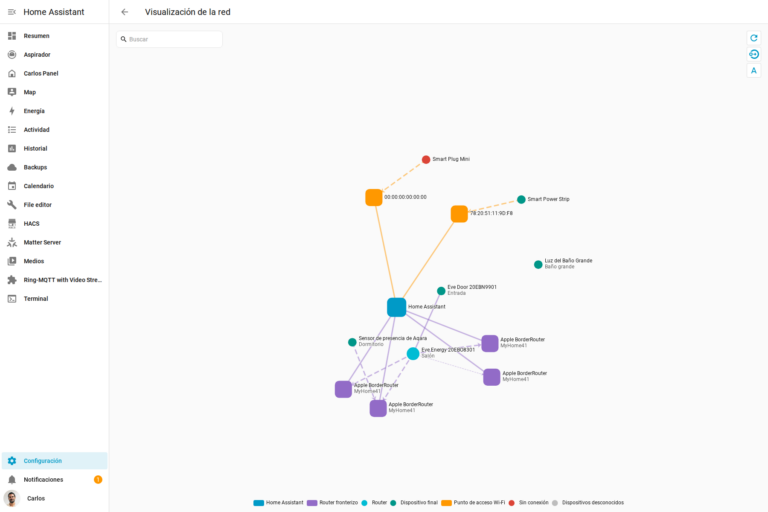
I opened Home Assistant's new Matter and Thread map to check which routes my devices are using and see just how useful…
Ep. 113 · escúchalo
0:00 / 14:08
17 septiembre, 2026 · Domótica
Leer
HomeKit with AI in iOS 27
Apple released iOS 27 on September 14th and, as every year, I'm going through what's changing in the Home app and HomeKit.…
Ep. 112 · escúchalo
0:00 / 12:44

3 septiembre, 2026 · Domótica
Leer
Webhooks and workflows in Controller for HomeKit
Kicking off Season 4. I'm picking back up the automation for the sensor that kept running out of batteries that I told…
Ep. 111 · escúchalo
0:00 / 13:12
Hola Carlos. Acabo de llegar por casualidad y me encanta tu blog. Ya formas parte de mi imprescindible para entrar en el mundo de la domótica.
Y ahora una pregunta. Si no tengo en casa ninguna luz o interruptor automatizado, tengo casi todos los interruptores conmutados a los que no les llega neutro, entiendo algo de electricidad y puedo acceder a los cuadros de luces. ¿Me recomiendas Shelly / Sonoff o esperar a algún producto Matter / Thread? La verdad que es muy interesante usar thread por sus bondades: menor consumo y funcionamiento local.
Gracias.
Hola Manuel! Muchas gracias por tu comentario, me alegro un montón de que te sea útil!
Entiendo que eres fanboy de Apple y tienes todo bajo HomeKit, no? Si utilizas Shelly con Home Assistant se queda todo en local también, los Shelly se pueden configurar para gestionarlos por MQTT.
Es verdad que hay un Sonoff Matter, pero no es Thread! Ojo porque es Matter-over-wifi. Además, tiene un ligero Delay con respecto a los Shelly, que cuando presionas el interruptor es inmediato como si no hubiera nada detrás de ese interruptor.
Los relés de Aqara funcionan bien… pero son zigbee, necesitas el bridge de Aqara que sí es Matter. Igual que los de Hue por ejemplo.
Personalmente yo pondría Shellys, los flasheas con el firmware de HAA y así ya no se conectan a la nube de Shelly ni nada, se queda todo en local. Es verdad que el proceso puede asustar un poco, pero no da problemas, es fácil y te aseguras de tener el dispositivo bajo tu control sin conectarse a ningún sitio. Además pondría el Shelly 1 normal (a menos que quieras medir consumos o tengas cosas complicadas) en la caja de registro para poder tener el neutro ahí, ya que los Shelly 1L no necesitan neutro pero no soportan tanta carga como el Shelly 1 normal y pueden darte algún problema, hablé de eso aquí El Shelly 1L no es para todo
Si hubiera planes futuros para que Shelly fuera compatible con Matter o tuvieran conectividad Thread, te diría de esperar un poquito… pero es que no se sabe absolutamente nada, no se han pronunciado 🙁
Gracias por tu respuesta Carlos. Aunque sí soy mucho de Apple, el asistente que tengo es Alexa, pero entiendo que tampoco habrá problema alguno. En su momento estuve liando con Home Assistant pero tiene tal nivel de personalización que, a mi que me encanta cacharrear, «perdía» demasiado tiempo con él.
Ahora simplemente tengo dispositivos wifi como pueden ser enchufes, unos Shelly para las persianas y poco más. Pero es cierto que quería dar el paso en cuanto a seguridad se requiere y tener todo el local.
Por aquello de quitar el gusanillo compraré algunos Shelly 1 a ver si mientras me decido o no se ponen las pilas y al menos empiezan a meter Matter.
Estupendo Manuel, ya me contarás! Cualquier duda que tengas… pues ya sabes dónde encontrarme 😀
Hola Carlos,
Pues finalmente no he podido resistirme a los SONOFF MINI4RM, adquiridos por apenas 9€ cada uno.
El caso, sé como instalarlo pero quería ir un paso más allá y que me «iluminaras» sobre cómo automatizar también su apagado y encendido ante ciertos eventos. Te pongo varios casos prácticos:
– Encender la luz de la entrada al entrar en casa.
– Apagar la luz de la entrada al salir de casa.
– Encender y apagar la luz de los baños al entrar o salir.
Creo que podría hacerlo con los dispositivos de puertas/ventanas y de movimiento de Aqara Matter over Thread ¿pero podría darme «más pistas» sobre cómo serían estos escenarios?
Gracias.