Switches compatible with Apple HomeKit
 Carlos Sahuquillo
·
28 septiembre, 2020
·
11 min de lectura
Carlos Sahuquillo
·
28 septiembre, 2020
·
11 min de lectura
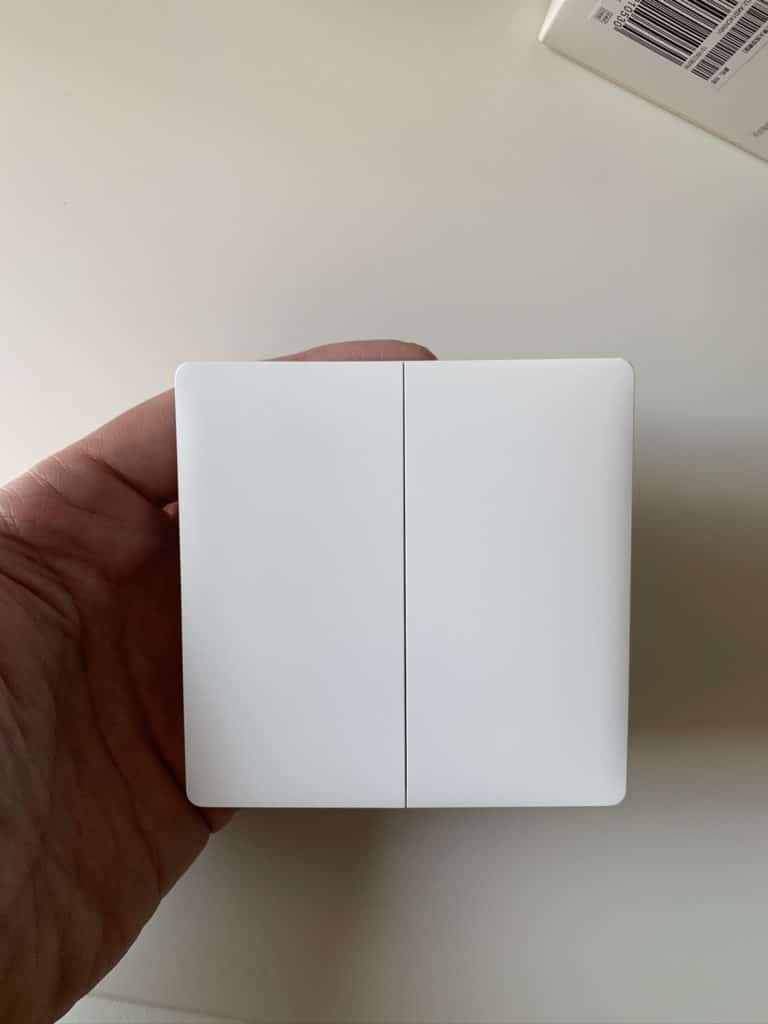
One of the recurring questions in the Telegram group is related to fellow readers who are doing renovation work and want to install switches compatible with Apple HomeKit at home. It’s common to buy a smart bulb, fit it into a ceiling lamp so you can turn it on/off from your phone, the corresponding voice assistant, or some automation, and then suddenly someone who doesn’t know the system, or someone by mistake, presses the wall switch, cutting power to the bulb… and of course, it no longer works.
Also, it’s not the first time a bulb is scheduled to turn on at a certain time, my wife walks by and flips the switch, cutting the power… and obviously it doesn’t turn on, so she flips the switch several times and kindly explains to me that she doesn’t much like this system, that she’s not going to grab her phone just to go to the bathroom, and that I’d better get rid of all my crap before she does it herself. More or less the idea is clear, give or take an insult xD
Identifying the current problem
The first problem is already identified… smart bulbs work great as long as nobody touches the switch. But switches always get touched, whether by someone at home who doesn’t have their phone on them at that moment, or by kids, or by guests… or by anyone really. We’re used to a switch turning on the light, so not finding said switch, or touching it and having nothing happen, feels weird and awkward. The solution also seems easy: replace the switches with ones compatible with Apple HomeKit, which are surely also much nicer looking, with LEDs and cool stuff… well, it’s not that easy, because the number of compatible switches is very, very, VERY small. None of the usual brands like Legrand or Simon have jumped on the bandwagon yet, and according to Rafa, it doesn’t look like they will anytime soon, since they have their own home automation platform.
Following the trend of recent posts, we have a cheap and functional solution, and an expensive, super fancy one, which is what most of us end up choosing xD Let me tell you about both:
Switches compatible with Apple HomeKit
The affordable and reasonable solution: Shelly 1
We have the option of fitting a Shelly 1 (which, as we already saw, can be flashed to be compatible with Apple HomeKit). This way, we keep our original switches and install the Shelly behind the switch or in the junction box. Shelly acts as a smart relay, so if someone presses the switch, Shelly will send the bulb the signal to turn on… and if someone presses it again, it will send the off signal, but all this without ever cutting power to the bulb, meaning it will be possible to turn it on from your phone/voice assistant/automation as well as from the conventional switch.
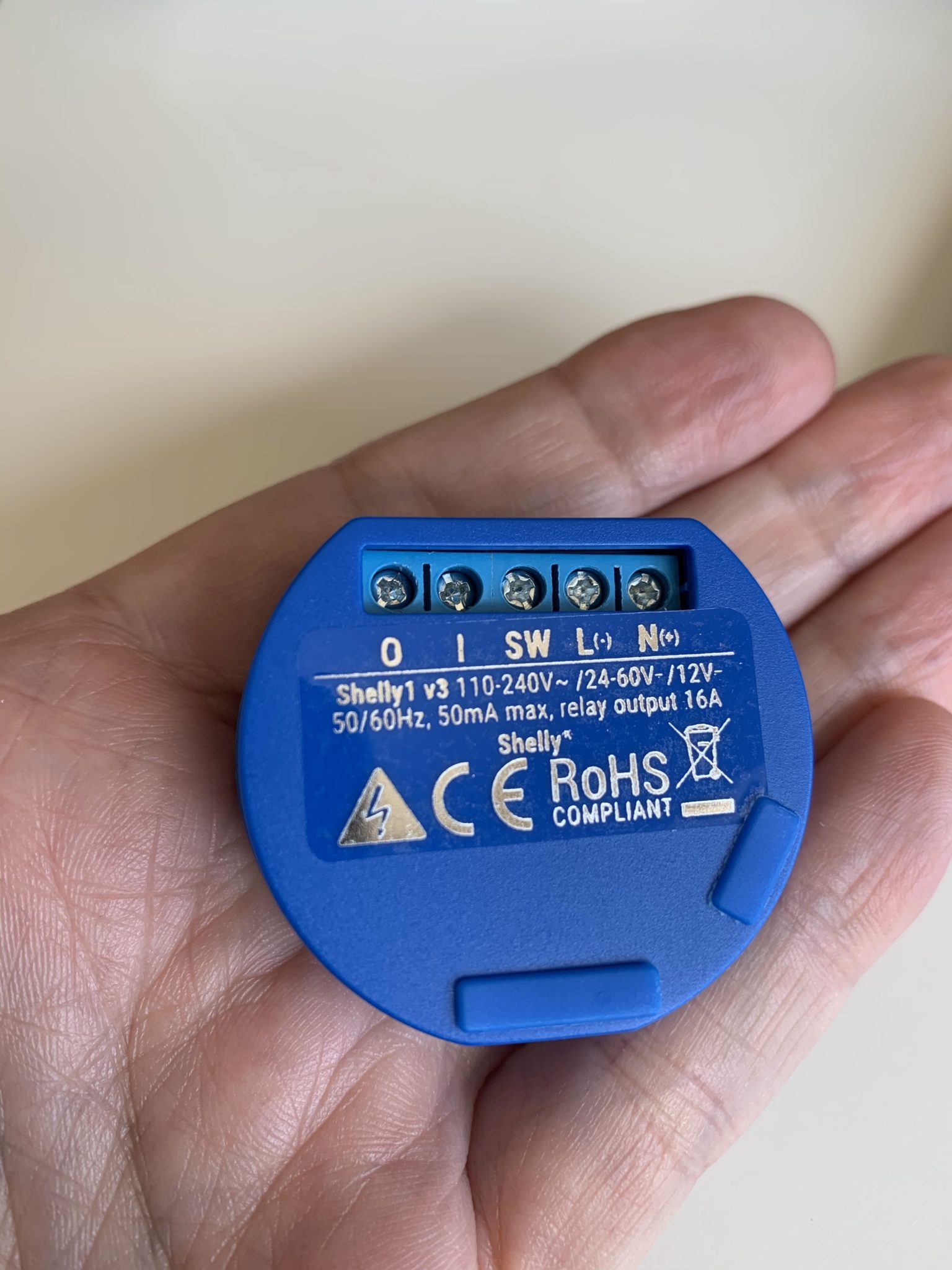
Another advantage of Shelly is that we can keep the original bulbs, they don’t need to be smart bulbs, since we’ll be automating the turning-on process. On the downside, we’ll lose some functionality, like being able to turn them on in a specific color, tone, or intensity… for example, if I get up to go to the bathroom in the middle of the night, pressing the wall switch will turn the lights on as usual, whereas with smart bulbs I can create a rule to turn them on at 50% or only turn on half the bulbs if it’s between midnight and 8:00 AM the next day, regardless of the method chosen to turn them on (conventional switch, command to the Shelly from the phone, or automation).
Each Shelly costs around €12 buying directly from https://shellyspain.com, and you even save on shipping if you buy a few, so the investment isn’t crazy and the result is fully functional and satisfying.
The expensive… but cool solution!
In my case I decided to replace the switches with more modern ones since the ones I had were pretty old. Also, some of them weren’t working properly, so I decided to make the investment and replace them. I went looking for switches compatible with Apple HomeKit and only found some Koogeek ones that aren’t manufactured anymore 🙁
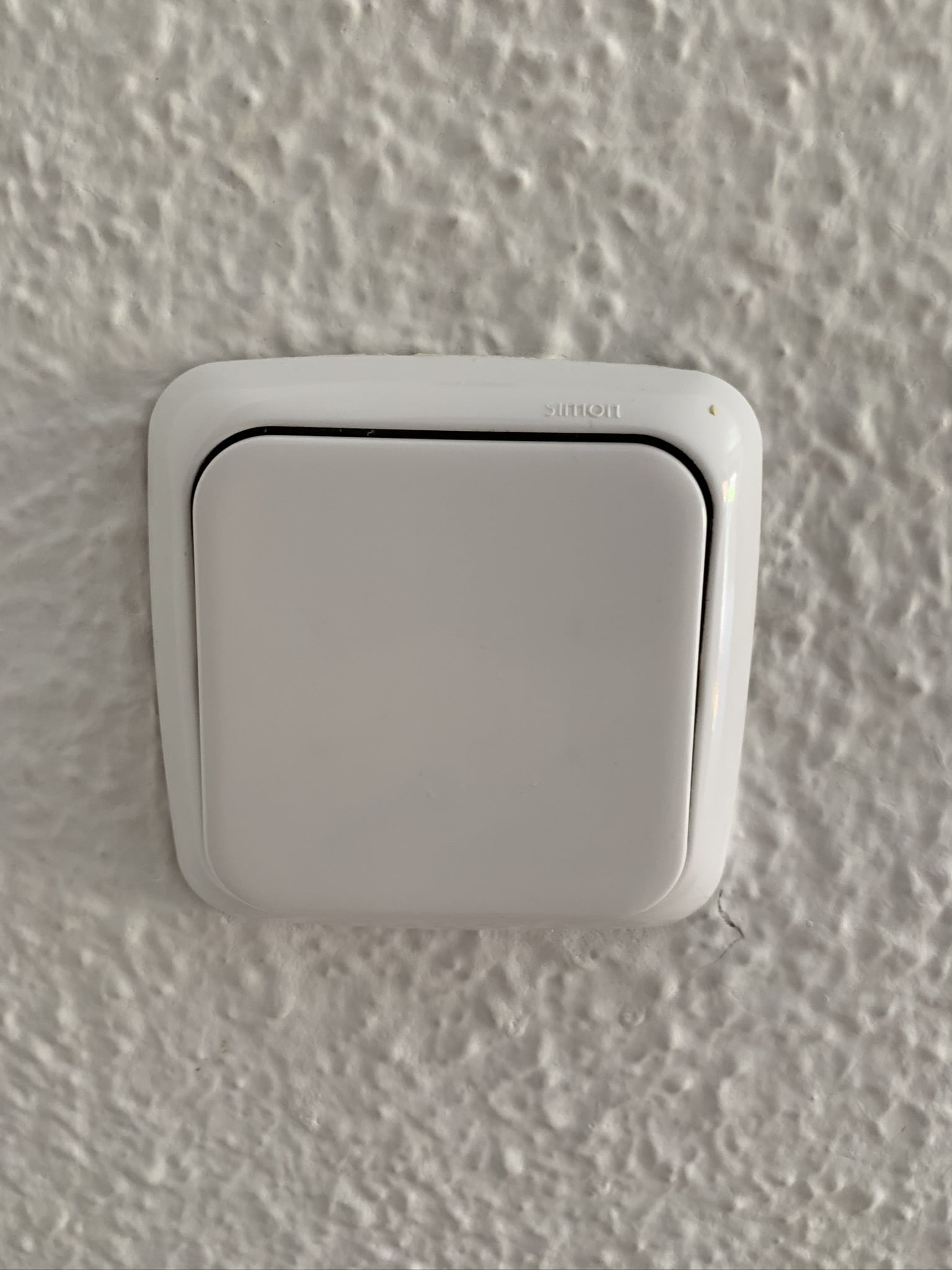
As I’ve mentioned before, the bulbs in my house are Philips Hue, so I went looking for switches directly compatible with Philips Hue. After all, I don’t really care whether they’re HomeKit compatible if the switch interacts directly with the bulb, right? I don’t need the switch to show up in the Home app to do anything with it. So I went to the Philips Hue compatible accessories page (Friends of Hue), but there are no switches to be found anywhere there!
Searching on Google, you do find some brands with switches compatible with Philips Hue, for example this one from Senic at the modest price of €70, or these from Vimar, which cost around €80.
It’s not like I live in a castle with an east wing and a west wing, but as you know I have 4 kids and a big flat so they can roam around without bothering each other, so if I have to spend €70 to replace every single switch in the house, considering some rooms have up to 4… well, that adds up to a fortune. So that option was ruled out.
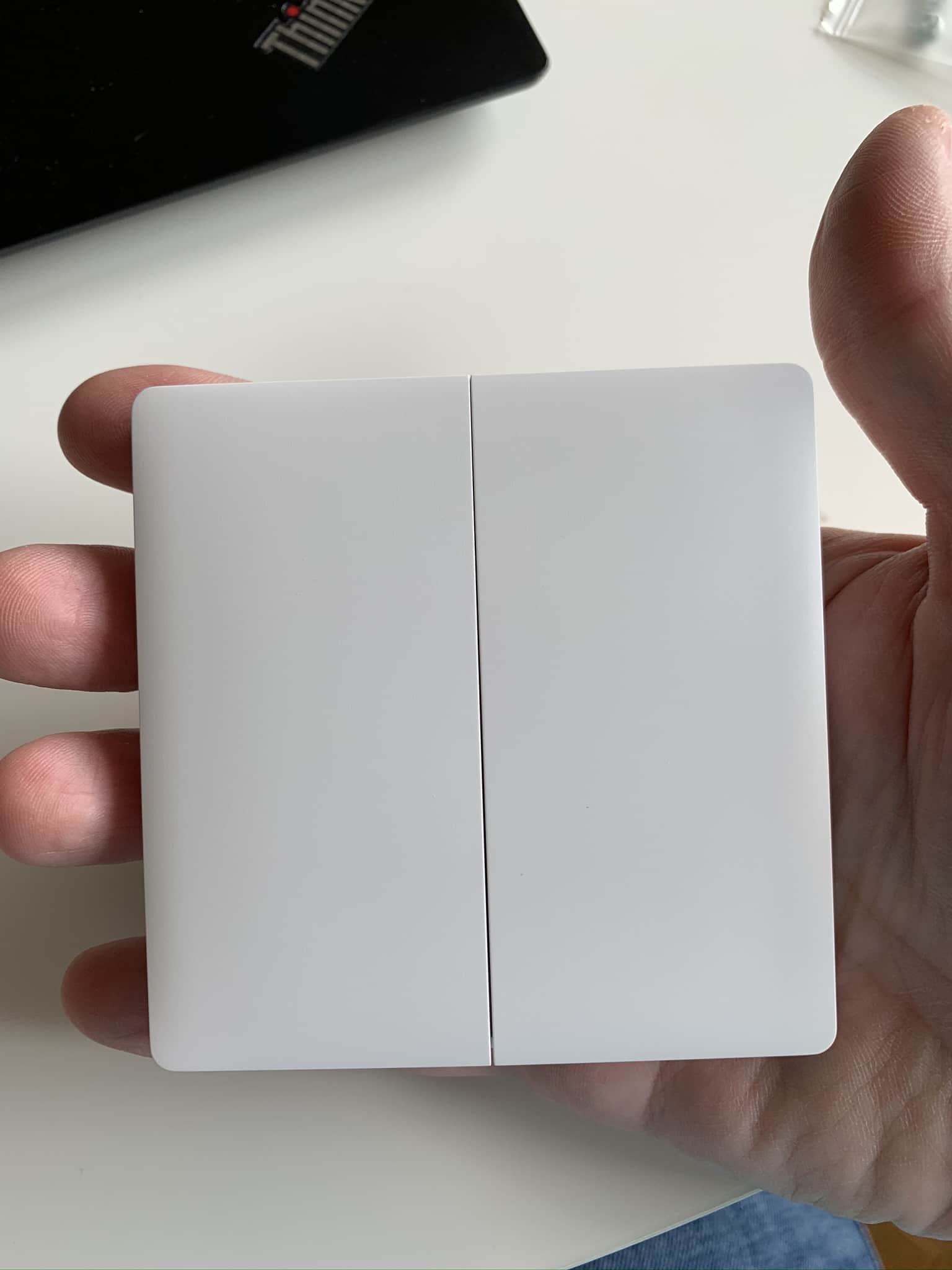
But the solution was closer than it seemed, because as we’ve mentioned before, I have the Aqara hub with some sensors, which are cheaper than other brands and compatible with HomeKit since the Aqara hub is HomeKit compatible, so I went and did a bit of digging… and bingo, Aqara makes switches! What’s more, it has 2 types of switches, the typical wired ones to replace conventional switches and others similar but for surface mounting, so in rooms where you need an extra switch, you can stick it to the wall with double-sided tape, screws, or just place it on a bedside table, the headboard… wherever you like.
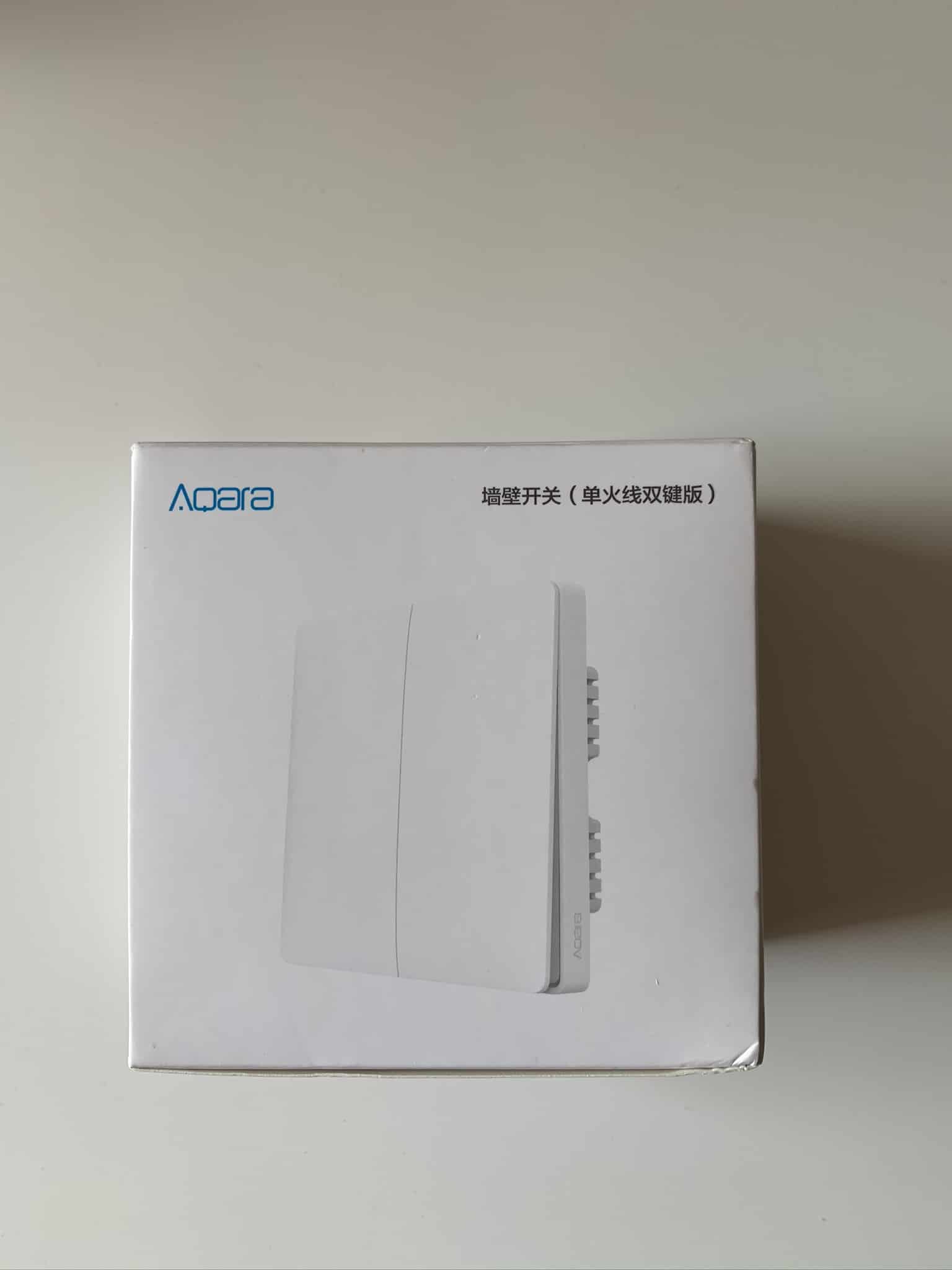
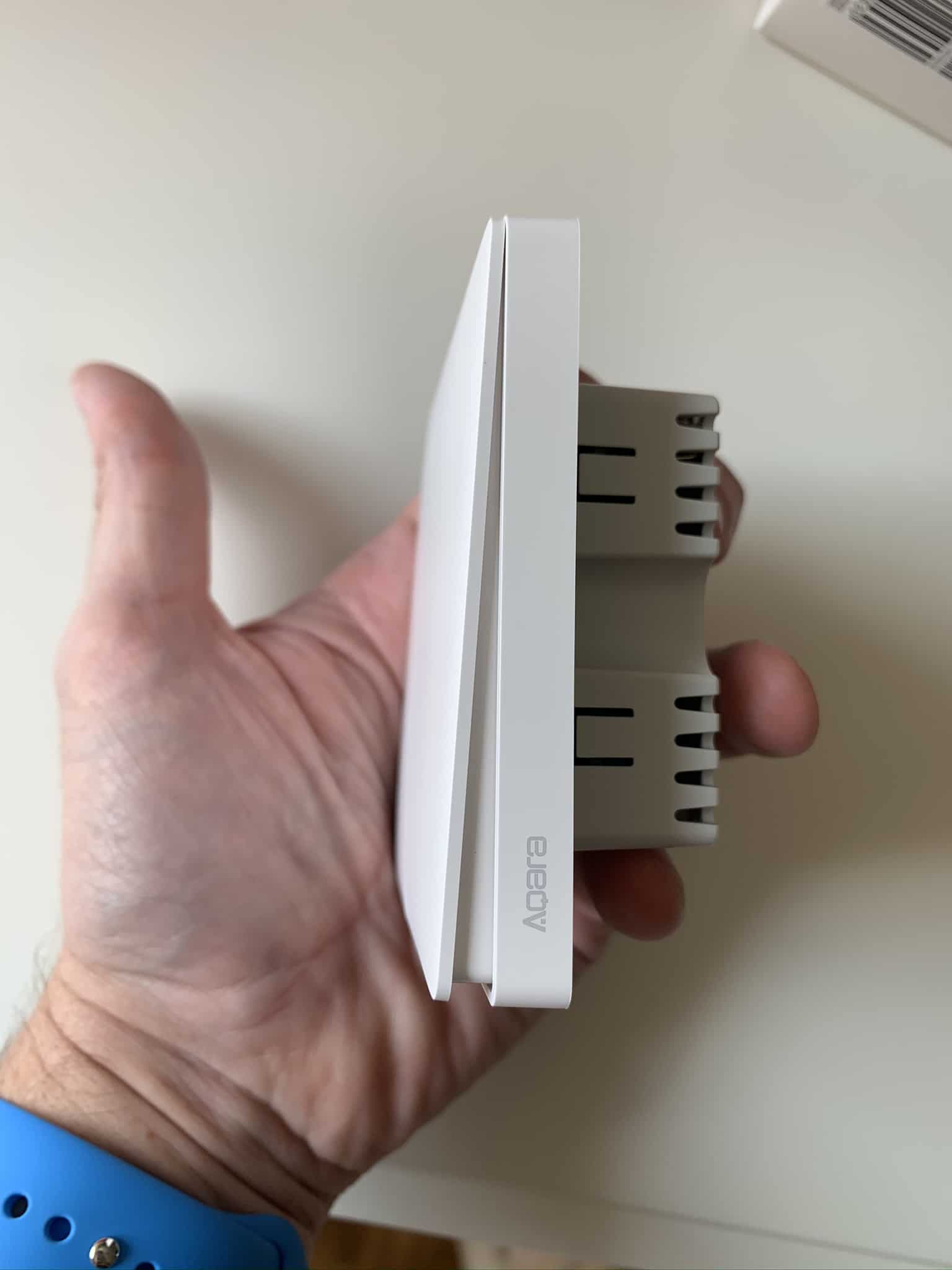
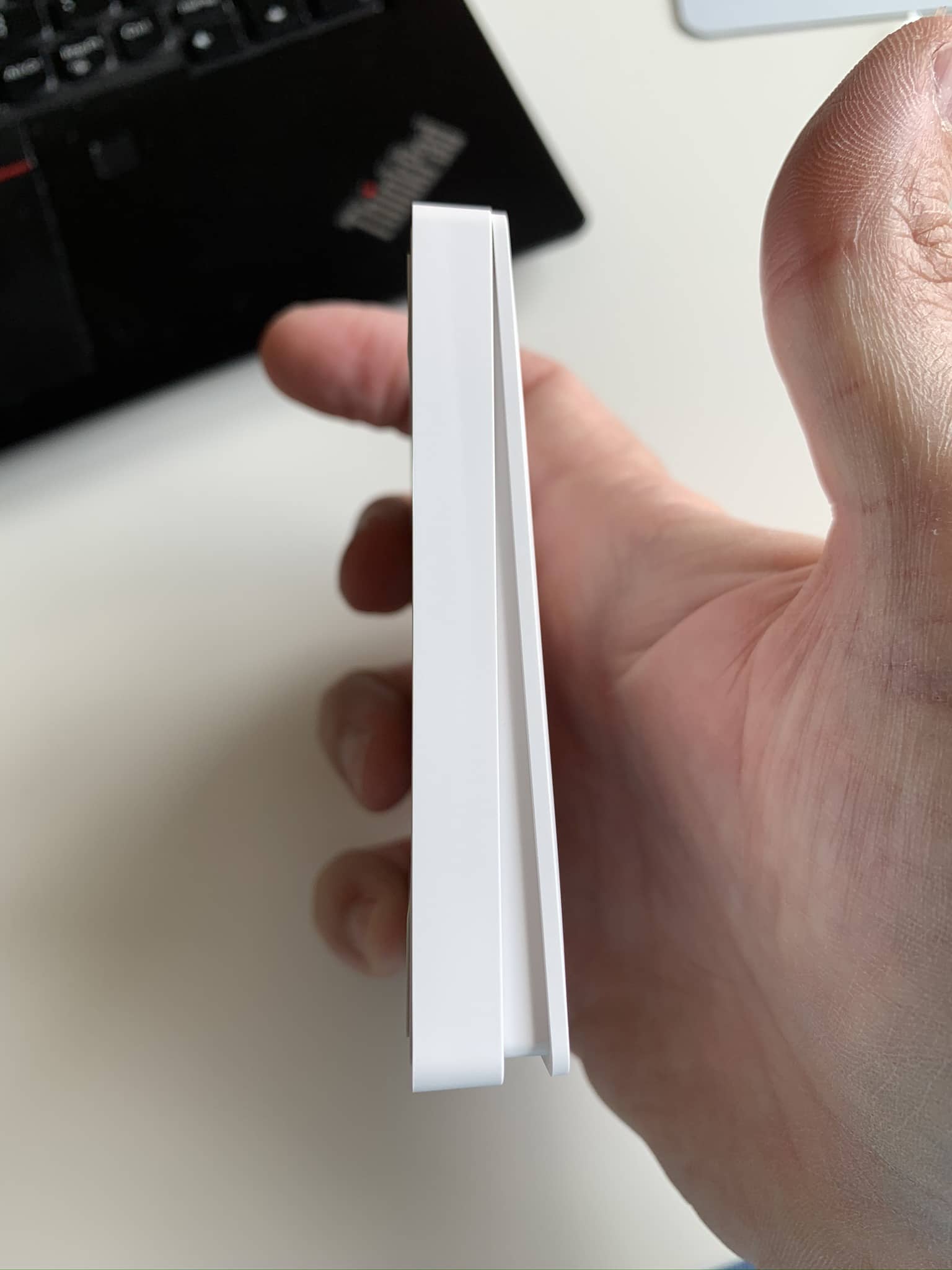
These switches have a fixed position, meaning they don’t stay up or down but instead ‘spring back’ to position after you press them. Also, they have 3 different press types, so you can create a rule for a normal press, another for a ‘double click’ or double press, and yet another rule for a long press (the classic press-and-hold). Let me keep telling you how the experience has gone.
Installation and setup
Once you’ve figured out how many wired ones you need and how many surface-mounted ones, you need to think about the rules you’re going to create. For example, I bought all the double-switch versions for the bedrooms, so from the door you can turn on the ceiling light, the bedside lamp (in my house we’re not big fans of ceiling lights, in fact in the living room we don’t even have the typical hanging lamp)… or both, of course. And naturally, turn them off too.
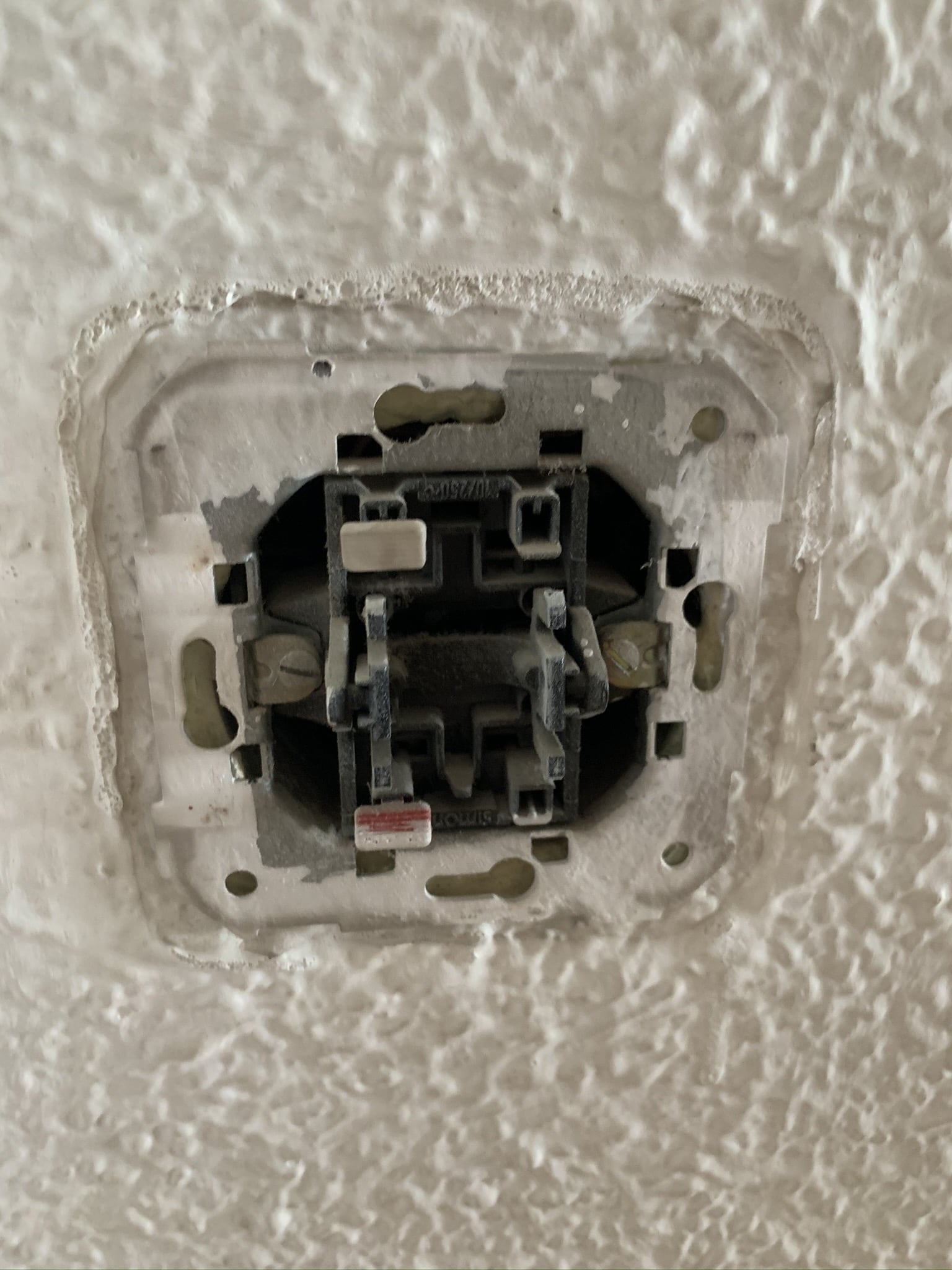
The wired switches were very simple to install, you just have to replace the original with the Aqara one and connect the wires following the instructions (there are only 3, don’t worry). The process is very straightforward.
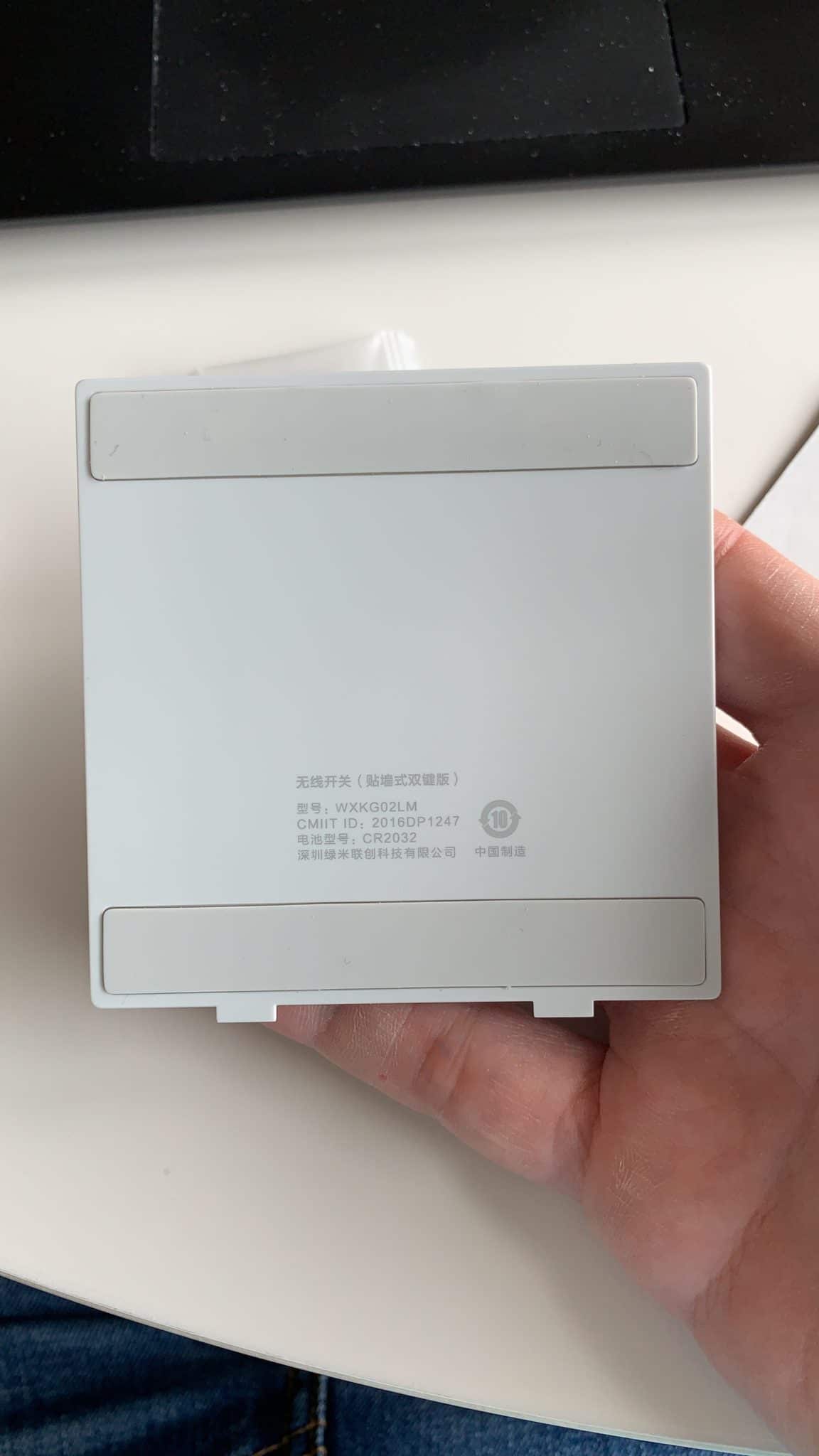
Installing the surface-mounted switches is basically nonexistent, you basically just have to decide where you’re going to put it. In some cases it actually came in really handy, because I had a switch hidden behind the headboard or a shelf, so in those cases I was able to place the Aqara switch to get around the obstacle.

The ceiling fans with light
Last summer I bought some ceiling fans with light that come with a small remote to change the speed or turn on the light. The problem is that the light is turned on from this remote, and if you press the wall switch it cuts the power… but then you can’t turn the light on! You can press the switch several times and eventually it ‘resets’ the light’s state and turns it on, but you look a bit obsessive-compulsive flipping the switch several times until it turns on… and I’ve already told you what my wife’s temper is like, so when I told her ‘Don’t worry, honey, if you turn the switch on and off really fast 6 times, the state resets and the bulb turns on,’ her response was ‘…you’re kidding, right?’
The solution was to fit the fan with a smart bulb and rig a bridge so the circuit (the bulb) is always powered on, so that from the Aqara switch I send the signal to turn it on/off, while the fan itself keeps working as normal. I know it sounds silly, but we solved the fan’s weird behavior in a very simple way and managed to turn the bulb on from the wall switch no matter what mode the fan is in.
The HomeKit rules
As you know, I use the Home+ 4 app, so that’s where I have all my rules set up. Some folks from the Telegram group told me you can now create conditions in Apple’s Shortcuts app, which would save us from buying the pricey Home+ 4 (currently €16), but from what I’ve seen it’s quite complicated to build these conditions there, whereas with Home+ 4 everything is very visual, so I’ll probably try migrating a few and tell you about it in a new post… but I think I’ll keep using Home+ for this kind of thing.
You also need to keep in mind that, as silly as it sounds, you have to create one rule to turn on and another to turn off… and if, for example, you want the bulbs to only turn on at 50% at night, or only turn on half the bulbs, you’d need to create yet another rule with that condition, since conditions don’t support a typical ‘if/else’. That said, the turn-off rule is always the same, you only need to create it once.
For a double switch, the rules with conditions I’ve created are these:
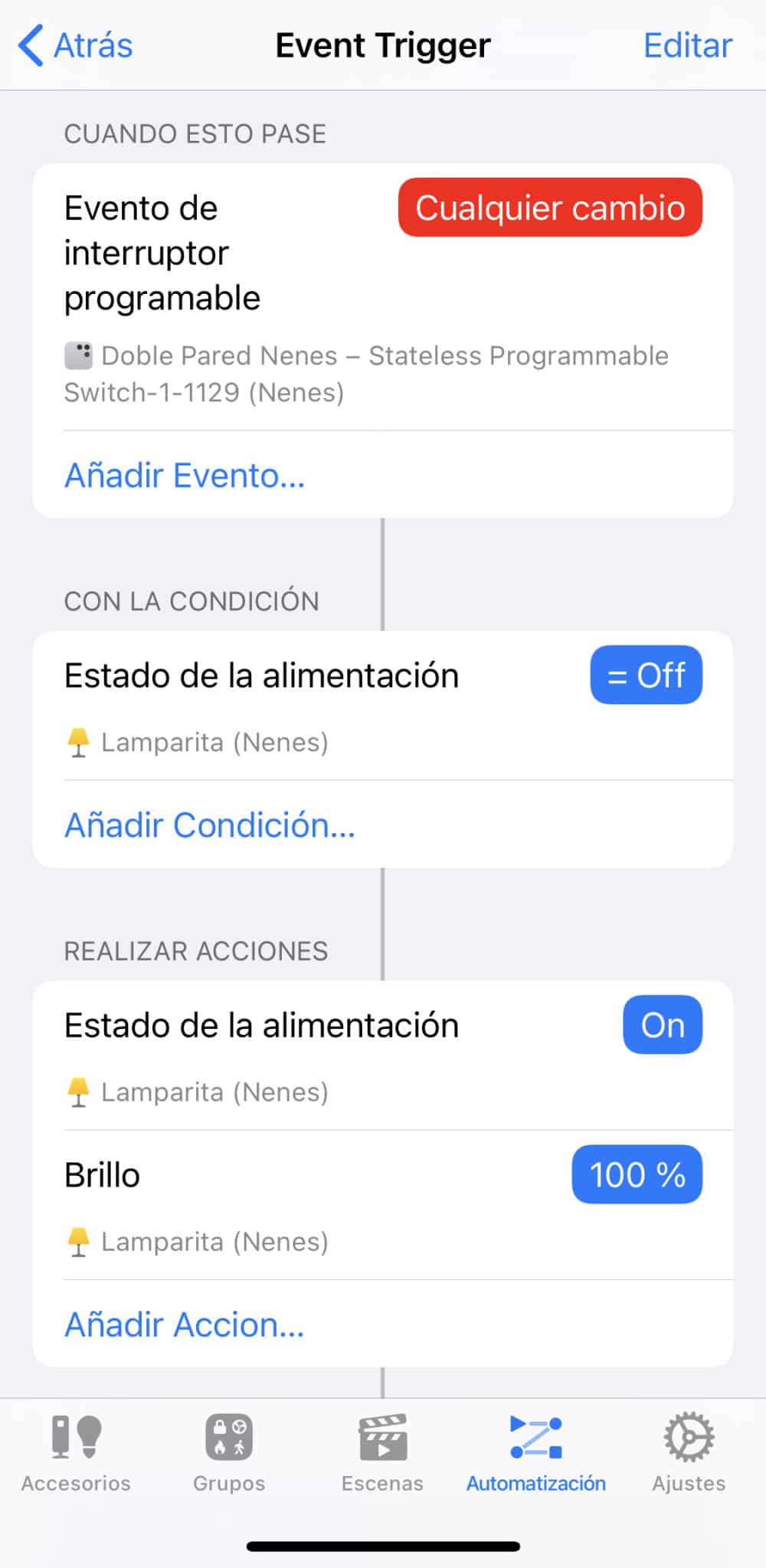


Keep in mind that these rules are independent from any others you might have, so if you have, as in my case, a Hue or Aqara Smart Button to turn on the bedside lamp instead of using its own switch that cuts power to the bulb, it’ll keep working independently as if nothing changed.
In conclusion, I don’t regret the change at all, switches compatible with Apple HomeKit have given us lots of possibilities we didn’t have before. People who want to keep using the push-button switch can do so without any issues, but if, say, someone leaves a light on when we’re about to leave the house (very common with my kids), the lights turn off automatically when we all walk out the door. I also like that when someone gets up at night, they don’t turn on lights like it’s a football stadium; instead, the lights come on at 50%. Of course you can ‘double click’ the Aqara switches to set the light to 100% if you really need to, but so far I’ve never needed to.
Carlos Sahuquillo
'Haga lo que haga en la vida, siempre compito' - Jacques Villeneuve Reserva una sesión →
Entradas relacionadas
HomeKit with AI in iOS 27
Apple released iOS 27 on September 14th and, as every year, I'm going through what's changing in the Home app and HomeKit.…
Webhooks and workflows in Controller for HomeKit
Kicking off Season 4. I'm picking back up the automation for the sensor that kept running out of batteries that I told…

How to tell if your kid is sneaking into your room without having a camera
I bought the Aqara P2 presence and light sensor with Matter, and I've got it running simultaneously on HomeKit and Home Assistant…
¡Hola Carlos!
Gracias por la entrada.
Yo he empezado hace poco con Homekit tímidamente (en el curro tenemos iOS sí o sí, aunque sigo teniendo corazón de Android). Tengo bombillas de Ikea en el salón y cocina pero no puedo dejar de pensar en el siguiente paso. De momento quiero poner un enchufe de Aqara para el horno y así poder temporizar la vitrocerámica (y empezar con Aqara).
Aunque va contra mi filosofía friki cuanto-más-tecnología-mejor, estoy intentado limitar mi lista de deseos a las «necesidades» que comentabas en otra entrada. Bueno, la verdad es que haría mucho más pero creo que mi mujer es menos permisiva que la tuya XD. Lo que has añadido en este post me ayudará a eliminar algunas quejas (creo), así que muchas gracias.
¡Saludos!
Luis
P.D. Oye, ¿conoces algún sensor que pueda monitorizar cuando se enciende una pantalla? Resulta que después de acostar a los niños (ya tengo 2 🙂 ) querría que el fonoporta no sonara. Lo pongo en silencio pero, si llama al timbre el de Deliveroo, o me quedo mirando a ver si se enciende la pantallita o no me entero…
Cuánto tiempo sin leerte, Luis! Me alegro de ver que todo va bien, a ver si en algún viaje podemos coincidir para echarnos una cerveza.
Si tienes bombillas, el siguiente paso debería ser meter Shelly, Aqara, SonOFF o cualquier relé que te apetezca para poder seguir utilizando los interruptores de la pared para encender la luz. O bien cambiar los interruptores, claro. La reticencia al cambio es muy grande en lo que las luces se refiere, pónselo fácil a las visitas, los niños, la mujer, etc.
Para mi los mejores enchufes que hay en cuanto a fiabilidad son los de Philips Hue… pero no te permiten monitorizar el consumo eléctrico! En ese sentido mejor un Koogeek, que además se conecta a la wifi. También puedes poner un Shelly 1 en un enchufe, pero tampoco te monitoriza el consumo.
Para monitorizar la pantalla puedes poner un sensor de movimiento de Aqara, que monitorizan los lux de luminosidad… haces un par de pruebas y así sabrás más o menos la luminosidad de la entrada o la habitación cuando se enciende la pantalla, luego le metes una regla para que solo te avise entre X e Y horas ya que por el día habrá más luminosidad… y con un par de días de pruebas deberías tenerlo. No obstante, si vives en una casa particular y no en un edificio, por 100 y poco euros puedes poner un video portero compatible con Homekit, así ves quién llama desde el móvil y puedes desde abrir la puerta hasta contestarle que no estás en casa en ese momento. Si es un edificio con más personas a las que no les va a hacer mucha gracia que cambies el portero creo que puedes utilizar la solución del sensor de movimiento de Aqara (10€)
Buena entrada Carlos.
El único inconveniente de aqara es que entrará justito en la caja empotrada ya que es bastante grande.
Por lo demás, todos son ventajas.
Gracias Félix por la aclaración! Sí, los de Aqara son un poco más grandes que los Shelly 2.5, pero en el resto de funcionalidades no veo ninguna diferencia, verdad?
Pues si, cuesta bastante meter un interruptor Aqara de una tecla en un cajetin de interruptor cuadrado y que queda bien.
He tenido que usar una Dremel para lijar los salientes de plástico que estorbaban en el cajetin del interruptor.
También he tenido que pasar un cable de neutro (color azul) desde el cajetin de empalmes superior hasta el interruptor ya que he instalado un interruptor Aqara CON neutro. Necesita 3 cables, no 2.
Una vez conectado y emparejado, veo que la app de Aqara me da el consumo de las bombillas led que controla, a parte de poder encender/apagar las bombillas.
No se puede usar pulsación doble o larga para programar acciones, solo admite pulsación sencilla para encender o apagar lo que haya conectado al interruptor. Esto no me lo esperaba.
Ui, cómo es que no te deja programar el resto de acciones? A mi me deja sin problemas… has intentado hacerlo desde Homekit en lugar de la app de Aqara?
Hola!
Hace tiempo que estuve mirando el tema de los interruptores para HomeKit y encontré uno de EVE:
https://www.amazon.es/Eve-Light-Switch-compatibilidad-interruptores/dp/B07XDTC6JF/ref=sr_1_7?adgrpid=80410908404&dchild=1&gclid=EAIaIQobChMI0pzWufqN7AIVEbLVCh0t5QDeEAAYASAAEgLBgPD_BwE&hvadid=385797418504&hvdev=c&hvlocphy=9061039&hvnetw=g&hvqmt=e&hvrand=17046394415534088413&hvtargid=kwd-320459294096&hydadcr=28686_1779770&keywords=eve+switch&qid=1601368480&sr=8-7&tag=hydes-21
Muy caro! (es EVE) y luego estaría el problema de los marcos para que se adapte a los interruptores que usas en casa.
Ahora que estoy con el sistema de Aqara, tengo uno de esos «inalámbricos» y estoy esperando a que me llegue uno con cable, pero con Neutro.
Hay dos tipos de interruptores Aqara con cable: sin neutro y con neutro.
Estos necesitan un cable mas, pero te aseguras que no darán problemas si usas unas luces led de poca potencia y soportan mas potencia. También son algo mas baratos.
P.D. Creo que el link que has puesto, es el interruptor CON neutro. Seria este SIN neutro:
https://es.gearbest.com/smart-home-controls/pp_009176679700.html?wid=1433363
Gracias JASF! La verdad es que no conocía el de EVE pero como bien dices cuesta una pequeña fortuna! Si tienes que instalar uno de forma puntual puede valer la pena, pero como tengas que cambiarlos todos los de la casa… puf
Lo del neutro o no-neutro no lo tengo muy claro… algunos recomiendan poner SIEMPRE CON neutro y, en el caso de no tener neutro, poner tu propio cable hasta la caja de registro. La verdad es que no tengo tantos conocimientos de electricidad como para poder valorar esto, yo sé que los míos son CON neutro, funcionan bien… y de momento no se ha prendido fuego nada! Jajajaja
En primer lugar, mil gracias por el blog, Carlos.
Consigues que los que estamos muy pero que muy verdes en este apasionante tema de la domótica, nos atrevamos a dar los primeros pasos.
En mi caso he dado el primer, y más sencillo, paso que es atreverme con algunas bombillas Phillips Hue, un riego de Eve y el termostato Netamo. Es un lujo controlar todo desde mi iPhone. Y ahora me quiero lanzarme al tema de los interruptores. Leyéndote y husmeando veo que no hay muchas posibilidades, así que voy a empezar a probar con los Shelly, por lo que ahí va mi pregunta:
¿Qué diferencia hay entre el modelo «1 Pulse», el «2.5 Switch» y el «1 Switch»?
Entiendo que es porque unos sirven para interruptores conmutados y otros no ¿es asÍ?
Joder, Juanjo, eso que has dado no es un pasito, ya has metido un montón de cosas! Jajajaja.
La diferencia entre los distintos dispositivos de Shelly es que el 1 es el Smart relé, solo abre o cierra el circuito como si fuera un interruptor, pero puedes hacer que funcione con conmutados sin ningún problema, es solo cuestión de configuración del cacharro.
El 1PM hace exactamente lo mismo pero monitoriza corriente, así que puedes ver consumos y demás.
Y el 2.5 es el que tiene doble canal, se utiliza sobre todo para persianas, pero también lo podrías poner en un interruptor si es de esos de doble llave para distintas zonas en una habitación.
Y muchas gracias por tu comentario!
Gracias Carlos, tanto por los ánimos como por la rápida respuesta.
Ya me queda más claro.
Entiendo entonces, que al funcionar con conmutados, solo necesito un Shelly por lámpara, en vez de uno por interruptor. ¿tienes algún tutorial o ayuda donde pueda aprender su configuración?
Pues… no lo tengo, pero sí que algún compañero se lo ha currado en el grupo de Telegram (https://t.me/joinchat/HdxdPRZPlAg2ckukTJDdDg) indicando para qué servía cada parámetro de configuración. Prometo añadirlo en el post con su permiso en próximas actualizaciones.
Gracias nuevamente Carlos.
Estoy en el grupo desde hace un tiempo, pero… complicado encontrar algo ahí con el ritmo de mensajes que hay. Así que espero esa entrada en tu página 😉
Tengo lo Shelly pedidos. Os contaré si tengo dudas cuando me lleguen.
Seguimos en contacto.
Fenomenal, Juanjo! La verdad es que hay días que el grupo está muy loco, aunque otros está más tranquilo. Yo estoy aprendiendo un montón!
Ya nos contarás cuando te lleguen los Shelly y si tienes algún problema al flashearlos 🙂
Hola Carlos,
Estoy mirando los interruptores de Aqara pero no he visto la opción de meter dos elementos distintos con un doble marco.. es decir el poder meter un enchufe en un marco y el interruptor en otro marco.. en mi casa tengo varias habitaciones que tienen el típico enchufe en un marco y el interruptor / conmutador en el otro marco.
Como se resolvería esto ? Jejeje
Gracias de nuevo!! -:)
Hola Marcos! Gracias por el comentario… pero siento decirte que tienes toda la razón, Aqara aún no ha sacado esas instalación en zócalo con varios elementos 🙁
Lo único que se me ocurre es cambiar el zócalo o marco del enchufe por uno sencillo individual y poner al lado el Aqara tapando el hueco en la pared. En este caso podrías poner un Aqara de superficie y te evitas todo el cableado.
¡Muy buena entrada Carlos!
Estoy pendiente de que me llegue el hub de Aqara para iniciarme en los sensores y ver si me animo con los interruptores.
¿Para sustituir los conmutadores (en la habitación tengo 3 “interruptores”) la instalación es la misma? No tengo muy claro como cambiarlos todos por los de Aqara.
¿Cómo lo habéis hecho?
Por cierto, he intentado acceder al grupo de Telegram y me dice que es un grupo privado. ¿ se necesita invitación?
Gracias.
Un saludo.
Gracias Joan! Me alegro mucho de que te haya gustado, gracias a ti por tu comentario 🙂
Respecto al grupo de Telegram, no sé por qué no deja acceder, el enlace sin personalizar parece que sí está funcionando, es este: https://t.me/joinchat/HdxdPRZPlAg2ckukTJDdDg
Para sustituir los conmutadores la instalación es la misma, sí, ten en cuenta que el interruptor de Aqara tiene condiciones para la pulsación, por lo que le da igual el interruptor que hayas presionado… si la bombilla está ON y lo pulsas, le manda un OFF. Si la bombilla está OFF y lo pulsas, le manda un ON. No guarda el estado ni nada por el estilo. El problema sería combinar interruptores normales de los de toda la vida con Aqara, ya que los normales cortarían la corriente que llega a la bombilla, por lo que ahí sí tendrías que utilizar los Aqara que tienen instalación y cablearlo como un interruptor conmutado… o eso o poner un Shelly detrás del interruptor normal, que posiblemente sea más sencillo y te permite automatizar cosas.
Hola Carlos,
en el artículo dices que Simon o Legrand no se han subido al carro, pero Legrand tiene la serie Valena Next with Netatmo que justamente es compatible con Homekit, compraron Netatmo para estas cuestiones.
Simon lo desconozco pero tienen una serie smart que no se si es la 100 que algo hace. Tienen una serie 100 io que si bien creo que a día de hoy no es compatible con HomeKit, estaban planteándolo.
Un saludo!
Hola iso! Muchas gracias por tu comentario. Lo de Legrand no lo sabía, voy a darles un vistazo ahora mismo! Serán carillos imagino. Simon es verdad que tiene una serie smart, pero no es compatible con nada más que con ellos mismos… yo creo que es una oportunidad perdida, no sé. Lo que hemos comentado en el grupo de Telegram es que puedes meter un Simon bonito de la serie que quieras y por detrás un Shelly 1 por 10€ adicionales, así conservas el interruptor ‘bonito’ y lo dotas de conexión smart… pero claro, ya son 2 cacharros en lugar de uno solo.
Lo dicho, mil gracias por tu comentario!
Si totalmente, yo tengo shelly en todas partes porque me parece la mejor opción en cuanto a estética para mantener la serie que tengas en casa y además porque te permite hacer unos interruptores “smart” y otros no, sin diferencia entre ellos.
Me he peleado mucho con esto de los interruptores porque también tengo las philips hue y la verdad es que creo que es algo que no está bien resuelto.
En mi caso además uso homekit (Apple) y el problema es que la integración con dicha plataforma se basa en proyectos de terceros sin soporte oficial. Parece (porque veo te dedicas a seguridad) que el chip que llevan los shelly no sería capaz por si mismo de cumplir los requisitos que Apple impone en lo relativo a la seguridad, y para que pudieran ser nativos de homekit haría falta un bridge con hardware adicional. Así que perderían un poco la gracia.
Lo malo que estos “custom” firmware que ahora mismo se están haciendo para shelly, pueden desaparecer en cualquier momento.
La parte interruptores como comentas están los friends of hue que son tres contados, los aqara de los que hablas, los Valena next with netatmo, el switch de eve (100€/ud) y luego hay algunas cosas todavía más caras como BTICINO en Italia, light wave y alguna otra cosa, pero además ninguna de estas soluciones es 100% compatible con philips hue ya que la mayoría de soluciones implementan un relé físico en los interruptores que no puede dejarse siempre encendido como en shelly.
Por último, casi todas estas soluciones obligan a bajar el neutro a la caja del interruptor, lo que no le hará gracia a todo el mundo, y soluciones como la de aqara que no lo hacen, parecen no ser comprable con la caja estándar europea sin modificar de algún modo el interruptor o la caja.
En fin, después de este rollo, que los de philips hue llevan en el mercado ya 6-7 años con esta solución, y no facilitan al usuario medio una solución sencilla, los que somos más técnicos no tenemos problema, pero en estos grupos de telegram ves a mucha gente con muchas dudas y creo que esto debería estar mejor solucionado por parte de los fabricantes.
Ostrás, iso, qué pedazo de aporte, muchísimas gracias por toda la información que compartes! Y completamente de acuerdo en prácticamente todo.
Los custom firmware tienen ese problema, sí. Parece que hay una buena comunidad detrás de Mongoose, incluso me ofrecí para echar una mano con el sesteo, traducción o desarrollo, pero no me contestaron a eso. No sé, yo los veo robustos de momento, pero ya veremos qué pasa en unos meses/años cuando haya otros cacharros haciendo más o menos lo mismo. Debo decirte que en casa aún tengo un Linksys flasheado con DD-WRT! Jajajaja.
Coincido plenamente con lo de los interruptores, yo también tengo Hue en toda la casa + Shelly en algunos sitios y no me termina de convencer la automatización… sí, funciona bien, pero pierdes algunas funcionalidades de la bombilla. Esto me sorprende bastante, aunque parezca que no la cosa es bastante sensible… el otro día puse un casquillo de E14 a E27 en una Hue y perdí funcionalidades! Sé que no tiene sentido, pero así es… ha pasado de ser White Ambiance a solo White y no permite cambiar la calidez de la luz. Ni idea de por qué, probaré con otro casquillo a ver.
Y lo que me ha hecho Aqara me jode muchísimo… han sacado la serie nueva que son un poco más recónditos y han dejado de vender la anterior! Me faltaban algunos interruptores, ahora me toca cambiarlos todos porque mi mujer dice que no quiere la mitad de una manera y la otra mitad de la otra, así que estoy dándole vueltas a meter los Simon que tenía antes + Shelly (aunque tengo algunos bastante perjudicados) o si vender mis Aqara anteriores en el caso de que alguien los quiera y comprar los nuevos. Sí, ya sé que en AliExpress aún se pueden comprar los de la serie anterior… pero me parece algo temporal y una tomadura de pelo, en cualquier fabricante de interruptores de verdad puedes comprar hasta las series de hace 20 años.
Pásate por nuestro grupo de Telegram, anda… seguro que te fríen a preguntas los primeros días, pero hay muy buen rollo y se comparte mucha información útil 🙂 https://t.me/joinchat/HdxdPRZPlAg2ckukTJDdDg
Yo los shelly los tengo todos en HAA. Es un firmware muy estable, lo malo que para configurar no hay GUI ni nada parecido, si no que se configuran con un JSON que no hay dios que entienda de inicio 😀 la curva de aprendizaje es compleja… Pero una vez los descifras, dan muchas posibilidades, dentro del propio firmware de HAA se pueden hacer incluso «dummy switches» u acciones para las que requerirías tener instalado un homebridge. Es muy potente, pero es lo que te digo el proyecto de un muchacho que ahora mismo tiene tiempo para esto, pero si el día de mañana lo contratan en la NASA o donde sea, quizás abandone el proyecto 🙂
Te animo a probarlo, eso sí sólo funciona con Homekit:
https://github.com/RavenSystem/haa
Lo de los interruptores es así, además si quieres mantener estética no te queda más que poner shelly/sonoff y si además quieres integrarlos en algún asistente, usar un «custom firmware».
La única opción que he visto «comercial» a parte de los valena que llevan su hub, sería poner los de EVE que con un único interruptor (a 100€) puedes incluso controlar conmutados o cruzados, por lo que podrías cambiar uno en cada estancia y mantener el resto, pero te obligaría a recablear en algunas ocasiones.
Mucha gente hace como tu y tira de Aqara, a mí no me terminaron de convencer por cuestiones como la que comentas y porque no eran para caja estándar europea. Pero al final la «obsolescencia programada» es así 😀 compres lo que compres acabará quedándose viejo… incluso los shelly saldrá alguna nueva versión, más pequeños, con otras funciones… 🙂 Lo bueno de los shelly es que a día de hoy sirven para interruptor, enchufe, persiana, puerta de garaje… la gente los usa para mil cosas, incluso para domotizar el portero automático…
Respecto al Telegram me lo pensaré, pero ya estoy en otro canal sólo de «HomeKit» y aunque aporto, no puedo estar todo lo que me gustaría… entre el curro y la familia queda poco para la domótica 🙂
Qué me vas a contar, 4 hijos tengo como 4 soles, no te digo más! Jajajajaja
En el grupo de Telegram hay un compañero que quemó el otro día el portero, tiene un video-timbre compatible con Homekit que le permite ver quién llama pero no abrir… total que se lió a poner un Shelly para poder abrir y parece que llegaron 220v donde debían 12v y a la mierda xD
Durante esta tarde he estado actualizando mis Shelly a Mongoose 2.4.0 y la verdad es que van muy bien, pero como aun tengo alguno de prueba me animaré y pruebo HAA. No será el primer JSON que vea, pero si es muy complicado ya veremos si me entero de algo!
Oye iso… y no te animarías a escribir una entrada sobre HAA? Molaría tener una alternativa a Mongoose explicado por alguien que La Haya trasteado y controle!
Hola ISO, me interesa ese canal exclusivo de Homekit.
¿Podrías decirnos dónde localizarlo?
Ehhh, me gustó lo de domotizar el portero automático. ¿Se puede hacer con el shelly? He buscado un montón en Google, pero no encuentro como hacer con un Fermax clásico Citymax 8039.
Buenas tardes,
Se podría poner los interruptores aqara dobles para sustituir unos interruptores dobles de persiana ya motorizada?
Entiendo que un pulsador seria para iniciar/parar la bajada y el otro iniciar/parar la subida. Correcto? De esta forma tendría la persiana ya domotizada.
La otra opción es meter el shelly claro…
Gracias de antemano!
Hola Raul, gracias por el comentario! Sí, podrías sin problemas, claro. El Aqara con instalación cableado actual como cualquier otro interruptor convencional, pero con la salvedad que puedes accionarlo desde Casa o crear una automatización para lo que quieras.
Si pones un Shelly también lo puedes hacer y te sale más barato… además, si tienes gente en casa que no son muy fans de la tecnología y te quieres lucir, les puedes poner un Aqara de superficie que no lleva instalación en la mesita de noche para que cuando lo pulse se suba la persiana 😀