Automations that nearly cost me my marriage
 Carlos Sahuquillo
·
2 noviembre, 2021
·
14 min de lectura
Carlos Sahuquillo
·
2 noviembre, 2021
·
14 min de lectura
Idioma:CastellanoEnglish
The phrase I’ve heard most from my wife over the years is ‘the house is not a toy.’ And you can’t imagine the fights I’ve had at home over the years because of some automation that didn’t work the right way or some misguided idea. You’re reading these lines for the same reason I write them: we like technology. But at home we’re not always surrounded by people with the same ‘appetite’ for technology as us, and in some cases, resistance to change can be significant, so today I want to tell you about some automations that nearly cost me my marriage. And yes, sometimes the device failed (the fewest times), but other times the problem was a conceptual error or a poorly configured automation.
It’s Been a Long Road
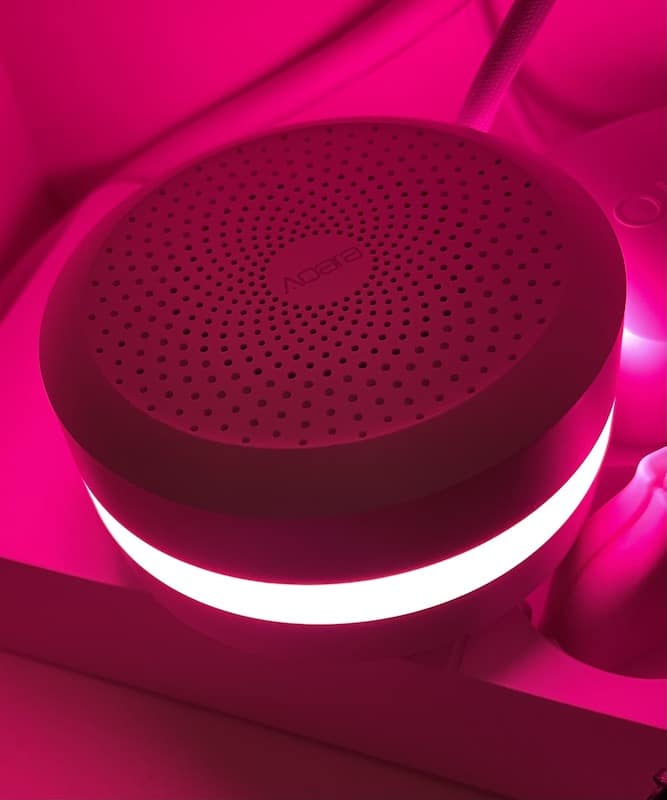
The current state of compatible home automation is a far cry from where everything stood when I first got mixed up in this mess xD. I’ve mentioned it before, but the first Aqara bridge I bought, the m1, wasn’t even compatible with HomeKit at the time—the integration came later via a firmware update… and it wasn’t even as simple as the firmware updating and us just seeing the devices show up in the Home app. No, you had to re-pair them, automations were lost, some devices weren’t compatible… a total mess. Also, the early days of the Home app had nothing to do with the app you see now. The integration with Shortcuts, which now lets us set conditionals and complex automations, didn’t arrive until iOS 13 (a couple of years before writing this post), so functionality was very limited. Imagine, for example, that it wasn’t possible to have a single button turn a bulb on and then off again when pressed a second time! The button would simply turn the bulb on, and if you wanted to turn it off you had to go to the Home app. Back then, some of us started using the Home+ app, which we’ve talked about before and which did allow this kind of conditional logic, even though it always cost a fair bit of money… but we could create conditional automations and link devices together… for example, if the Aqara temperature sensor (the HomeKit-compatible version, not the Xiaomi one, which wasn’t) dropped below X temperature, you couldn’t do anything from the Home app because it simply displayed the temperature coming from the sensor, but it couldn’t actually read it—it didn’t know what temperature it was showing—so you couldn’t automate anything with it… you just had the data as a monitor and little else. However, from Home+ you could actually read that data and act accordingly, so you could turn on the heater via a HomeKit-compatible plug if the Aqara sensor dropped below X degrees. Anyway, as you can probably guess, getting to where we are today hasn’t been easy at all… not for us, and not for the people living under the same roof.Automation Failure
– The Dwarfs’ Song: As you know, I have 4 kids, each one a little sun. It’s not always easy to coordinate them for everyday tasks like getting up, going to bed, leaving the house, sitting down to eat… so a few months ago I created an automation so that when it’s time to put on jackets, grab backpacks, and put on masks (on weekdays, at 8:45, and only when someone’s home), the lights in the common areas turn off, the lights in their bedrooms (where they usually are before leaving the house) turn off, and quickly turn back on while the dwarfs’ song from Snow White—the one they sing on their way to work in the mine—plays through the HomePods around the house. Pretty cool, right? The problem is that I didn’t tie that automation to a holiday calendar, and one Monday holiday when we didn’t have to get up early, the song started blasting at full volume while the lights in the house turned on and off. Pretty scary when you’re asleep. – Philips Hue device updates: Currently, the Philips Hue app lets you select the time at which the devices in the house will update whenever a firmware update is available. A few versions back it didn’t have this setting, so the lights would update whenever a new firmware version was released. Philips does warn in its app that the bulbs need to be properly connected to power (even if turned off) and that they may flicker during the update process. And sure enough, one night when I was traveling (before COVID I used to travel a lot) some bulbs updated overnight, turning on at 100% brightness and then flickering away in ‘candle’ mode… or at least that’s what my wife told me when she called to yell at me at 4 in the morning. – Delayed Aqara switches: I told you this story recently since it took me a few months (and a lot of money) to fix it… and it’s not even fully fixed, but it has been considerably minimized. The thing is, for a few days the Aqara switches had a delay. I don’t know if it was because I had the original Aqara bridge, the m1, which was getting old… or if I had too many devices connected, or if the problem was that the bridge was set to the China region… but the fact is that when you pressed the switch to turn on the light, a good 5 or 6 seconds could pass, sometimes even more.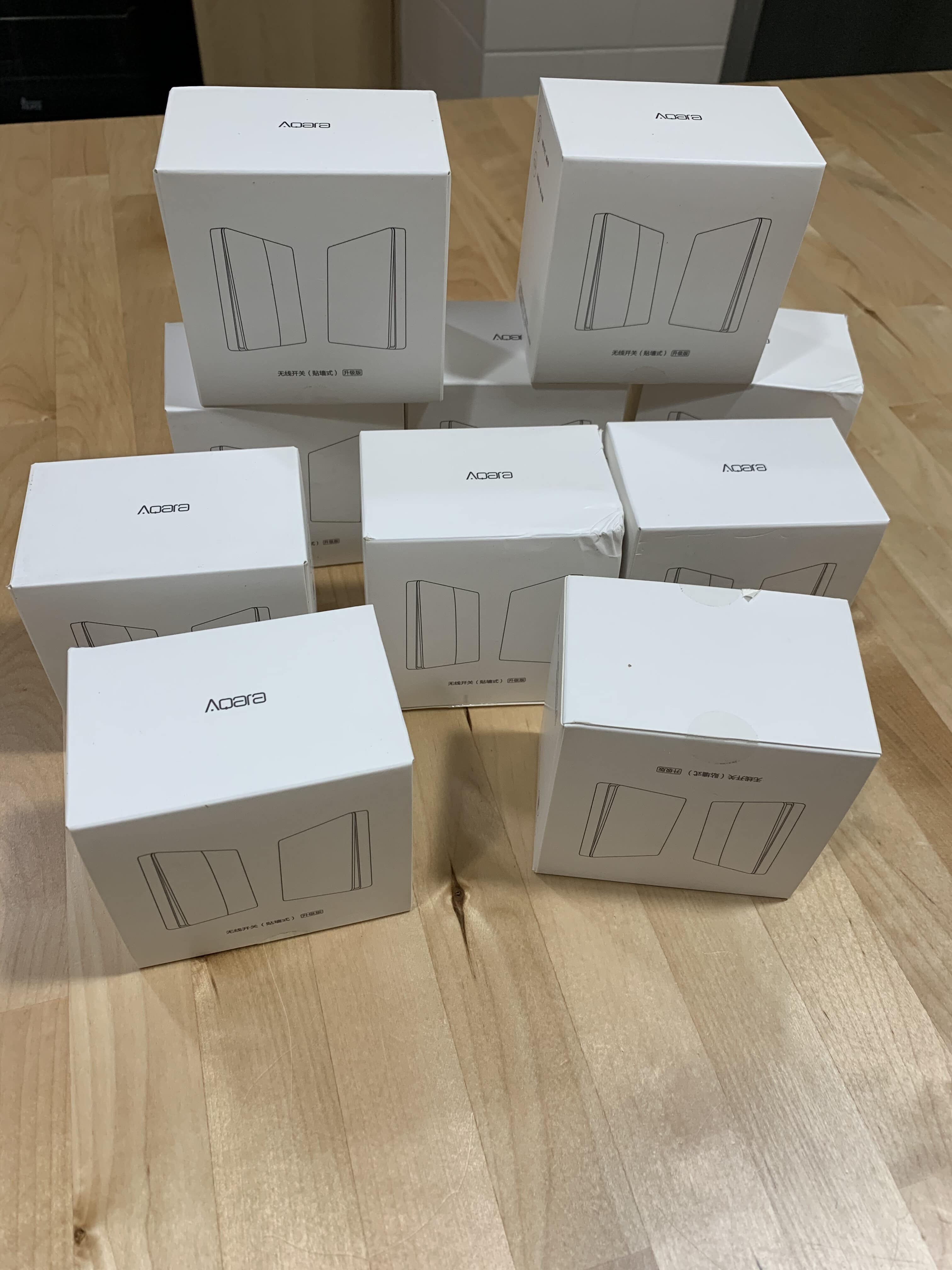
Failure in the Idea or Concept
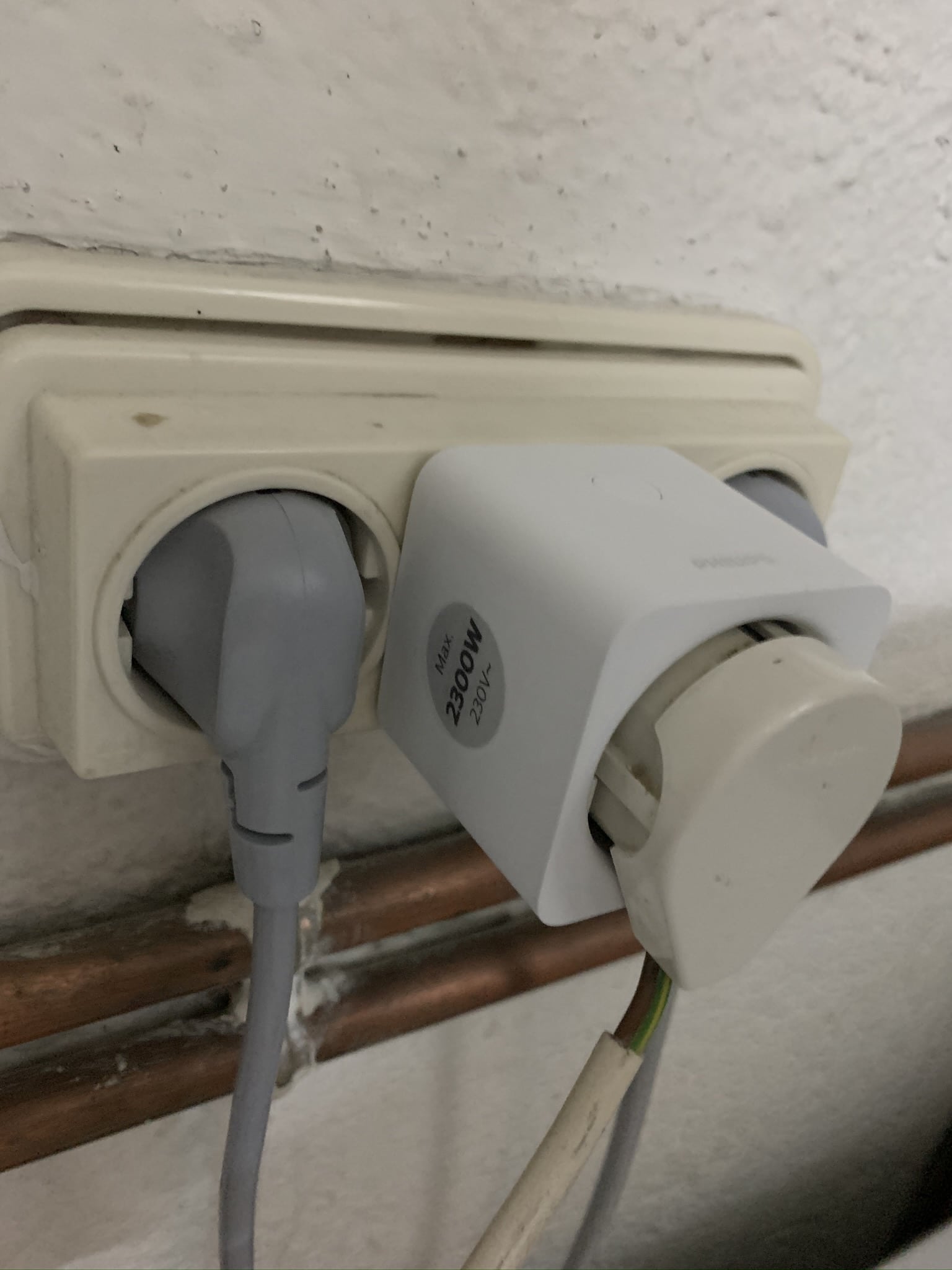
– Motion sensor in the bathroom: Fighting with my 4 kids again! It’s very common for them to leave the light on when they go into the bathroom. I don’t know why, but they always leave without turning it off. That switch is a smart Aqara switch with a condition so that when they turn on the light at night because someone gets up to use the bathroom, it only turns on at 40% brightness and then automatically turns off after 5 minutes, since at night they’re sometimes so half-asleep they forget to turn it off. Fine. But what about during the day? I couldn’t turn the light off automatically since sometimes someone goes in to shower or shave or whatever, and that can take more than 5 minutes… so I figured I’d add an Aqara motion sensor so the light would automatically turn off when it detected no movement. That way, when my kids left the bathroom they wouldn’t even have to worry about turning off the light… but if they did turn it off, even better. The thing is, my wife went in to shower in the kids’ bathroom, and when she closed the shower screen, the motion sensor stopped detecting her, so the light turned off. Picture her sticking her arm out over the screen and waving it around so the sensor would detect her (which wasn’t easy, since it’s angled quite low toward the floor and tucked into a corner to avoid triggering whenever someone walks past the bathroom door). And all this while making sure I understood her displeasure and complete disapproval of that automation, in that oh-so-sweet way only women have… she ripped the sensor off—it was stuck on with double-sided tape—the moment she got out of the shower. I’ll say no more. – Resetting the bulb by pressing it 7 times: Hahahaha, I just write the title of this failed automation and I’m already laughing. When I replaced every bulb in the house with the very pricey Philips Hue bulbs, I wanted to make full use of them. I had those ‘Wake up in the savanna’ automations so the lights would play with tones and brightness levels during the wake-up minutes, making waking up feel more natural and pleasant. Also, at night they’d turn on at only 50% brightness in warm tones. A whole showcase of automations and conditions. You already know what happens with a smart bulb when it’s off and the power gets cut from a non-smart switch… it doesn’t turn on because it has no power. If you flip the switch again, it still doesn’t turn on—it has power now, but its state is ‘off,’ so it stays off. You and I get that clearly, but what about the rest of the household or guests? One night, my youngest daughter started crying, so we ran to her room. My wife got ahead of me on the right to be the first one into the room, so the first thing she did, half asleep, was press the switch… and sure enough, the light didn’t turn on—it was simply left without power. She backed up to try the switch again… and nothing. Can you imagine the panic on my face as I fumbled with my Apple Watch trying to find the Home app to turn on the bulb? Back then there wasn’t even a HomePod yet! After flipping the switch several times, the Philips bulb reset itself (its state resets when you flip it on/off quickly 7 times in a row) and the light finally turned on, so my wife rushed to the crib to get our girl.
¿Necesitas ayuda con tu domótica?
Te ahorro tiempo, dinero y disgustos. Sesiones de consultoría desde 60€.
Carlos Sahuquillo
'Haga lo que haga en la vida, siempre compito' - Jacques Villeneuve Reserva una sesión →
Sigue leyendo
Ver todo el blog
Entradas relacionadas
1 octubre, 2026 · Domótica
Leer
How to spot issues in a Matter device
I opened Home Assistant's new Matter and Thread map to check which routes my devices are using and see just how useful…
Ep. 113 · escúchalo
0:00 / 14:08
17 septiembre, 2026 · Domótica
Leer
HomeKit with AI in iOS 27
Apple released iOS 27 on September 14th and, as every year, I'm going through what's changing in the Home app and HomeKit.…
Ep. 112 · escúchalo
0:00 / 12:44
3 septiembre, 2026 · Domótica
Leer
Webhooks and workflows in Controller for HomeKit
Kicking off Season 4. I'm picking back up the automation for the sensor that kept running out of batteries that I told…
Ep. 111 · escúchalo
0:00 / 13:12
Carlos,
¡Este post es muy bueno!
Pero viendo el tema con perspectiva, seguro que con el tiempo habrás acumulado muuuuuuchas más experiencias en las que habrás sorprendido a la jefa solucionando problemas ‘insolubles’ en remoto de manera sencilla (el riego cuando te ha surgido algo inesperado), la lavadora cuando os bajáis al Bernar a tomar un pincho rápido pero se os va de las manos….), abrir la puerta al de Amazon cuando vienen a entregarle su última compra y no hay nadie en casa,…seguro que tienes para muchas entradas de estas. Hoy en día, en mi casa cuando se cae Home Assistant es casi como si se hubiera estropeado el coche, y en la tuya seguro que igual ☺️
Un abrazo
Hola Fede! Muchas gracias!! Efectivamente, he aprendido a base de leches, seguro que tú también tienes mil historias que contar! jajajajaja.
Creo que hemos alcanzado un estado de madurez razonable, pero cuánto nos ha costado llegar? Y lo peor es que siempre queremos más, tengo mil ideas en la cabeza, pero ahora, además de pensar cómo implementarla técnicamente, pienso también en cómo ser lo menos disruptivo posible en casa xD
Un abrazo!
Que bueno Carlos😂😂
Yo llevo también muchos años con esto y te entiendo perfectamente, el grueso de mis dispositivos son Aqara, y como bien dices, daban muchos fallos de desconexiones y ese motivo me acarreaba broncas con la familia
Y en este momento qué tal te va, Pablo? Los dispositivos de Aqara me encantan, tienen un precio muy razonable y funcionan muy bien… pero es cierto que a nivel de soporte y demás no ayudan demasiado, por no hablar de que retiran el soporte sin avisar, como cuando cambiaron la línea de interruptores sin avisar y me dejaron a medias la instalación en casa, que me tocó cambiarlos todos de nuevo 🙁
Muchas gracias por tu comentario!
Genial entrada Carlos.
En mi caso mi mujer es #Tech total, es la que me ayuda con el JSON del Homebridge y en la lógica de programar atajos. Pero esto no implica que le guste tanto la domótica como a nosotros.
Aún no me ha fallado nada tan bestia, pero seguro que ya pasará, unas risas caerán seguro.
Saludos
Gracias Jepes! Pues qué suerte tienes, macho! Tengo un amigo que estuvo una noche ‘discutiendo’ con su mujer sobre si en casa montaban un Directorio Activo o un LDAP para gestionar los accesos, no te digo más! Jajajajaja.
En mi caso como puedes ver no es así… y eso que mi mujer tiene paciencia, pero es que a veces la he liado mucho xD
Cómo te entiendo….
Y tú mujer, ¿sabe que existe este blog?
Hola Guillermo! Sabe que lo tengo pero no es lectora, no le interesan nada mis mierdas xD
De hecho hoy le he contado todo el revuelo que se había montado con esta entrada donde la citaba varias veces y ni por esas xD
Totalmente relfejado.
MUchas quejas, pero como les mola decir, ahora que estamos yendo a casa, encienda la calefacccion, y cosas de ese estilo
Jajajaja, no lo reconocerán nunca, Álvaro!
¡¡Totalmente identificado!! Acabo de aterrizar en tu blog y me voy a quedar por este post.
A base de golpes al final solo he domotizado el estudio/despacho que es mi «territorio». Fuera de ahí solo tengo el termostato Netatmo del que me llevo muchas broncas si la programación no está correcta y la calefacción se enciende a deshora.
Jajajaja, muchas gracias por el comentario, Franele! La verdad es que estamos todos en el mismo barco, es difícil encontrar una casa donde todos tengan la misma pasión por la tecnología… Aun así, os prometo que tengo un amigo que una vez discutía con su mujer si en casa montaban un LDAP o un Active Directory para la gestión de usuarios!! Os lo prometo!
Muchas quejas, pero al final cuando se acostumbran lo utilizan. Tengo una automatizacion con un boton que apaga y enciende la lampara de la salita, justo al lado donde ella/el se sienta, pues cuando falla grita y dice «esto no funciona y ahora me tengo que levantar para encender», en fin cada casa es un mundo.
Por cierto lo de la luz del baño controlada por movimiento, lo habeis solucionado ?
Efectivamente, Miguel, una vez que se acostumbran se hace raro volver atrás.
Respecto a los sensores de movimiento, hay compañeros ahora que están utilizando el FP2 de Aqara (https://amzn.to/44imMHw) porque es un sensor de presencia por láser, es decir, no detecta solo movimiento sino que si estás parado también te detecta. Además tiene una función interesante que es la detección de caídas.
En mi opinión, es carísimo para lo que ofrece… y feo, lleva cable de alimentación y es algo más aparatoso que el sensor de movimiento.
Además, yo ya no utilizo sensor para eso, mis hijos se han ido haciendo algo más mayores y ya no es necesario un sensor para que se apague la luz del baño automáticamente.
Busca este dispositivo en la red Loginovo-Sensor de presencia humana Zigbee 3,0
Unas cuantas veces por fallos humanos de automatizaciones o apagados manuales por estar fuera el finde/vacas, mi señora ha llevado mal lo de no tener agua caliente en el termo de la ducha.
Tema aparte lo poco esteticos que son a veces los dispositivos…
Animo a todos los que lo sufrimos en silencio! 😛
Jajajaja, hola Adrián! Lo de los calentadores eléctricos es una movida, no es fácil automatizarlo porque uno no siempre se ducha a la misma hora… pero además es que tardan un huevo en calentar el agua! En casa de mi suegra lo intentamos con un enchufe inteligente de KooGeek y no solo no ahorraba luz que era la idea, sino que muchas veces no podía ducharse cuando quería porque estaba frío! Al final lo configuramos por geoposicionamiento para que se apagara solo cuando ella estaba lejos de casa.